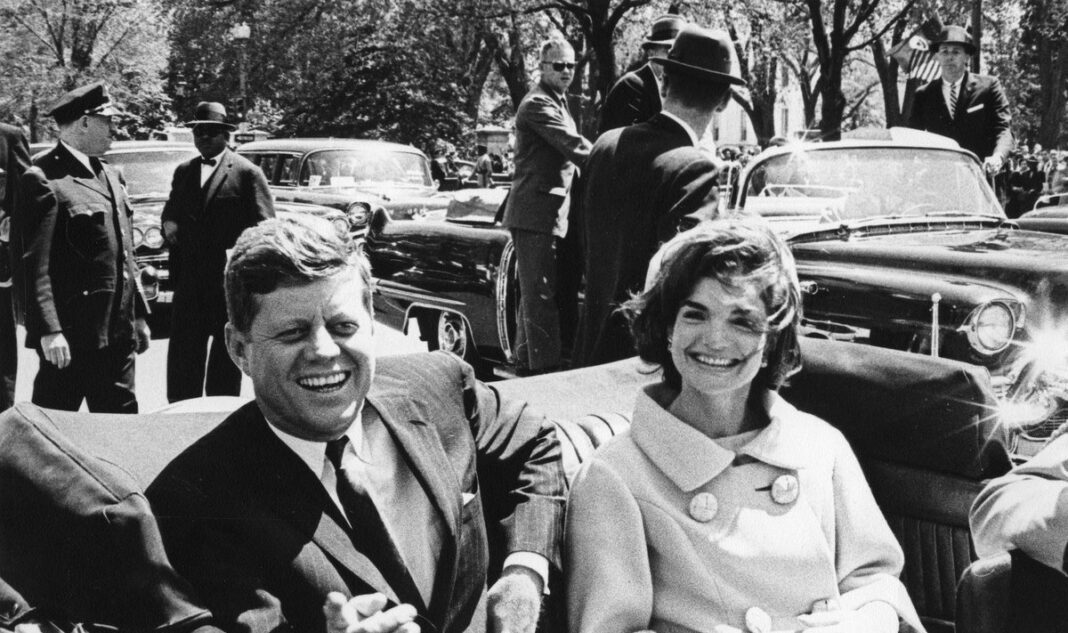

The 35th President of the United States, John F. Kennedy, was murdered on November 22, 1963, during his trip to Dallas. The fatal rifle shots were fired as Kennedy and his spouse were driving in the presidential convertible on Elm Street.
Commensurate with the outcome of a ten-month inquiry by the Supreme Court, Lee Harvey Oswald was charged with the crime. But most Americans believe that the official statement is not true. The mystery of the president’s murder is associated with dozens of alternative versions. Next on dallas-yes.
A trip to Dallas: component of John F. Kennedy’s electioneering
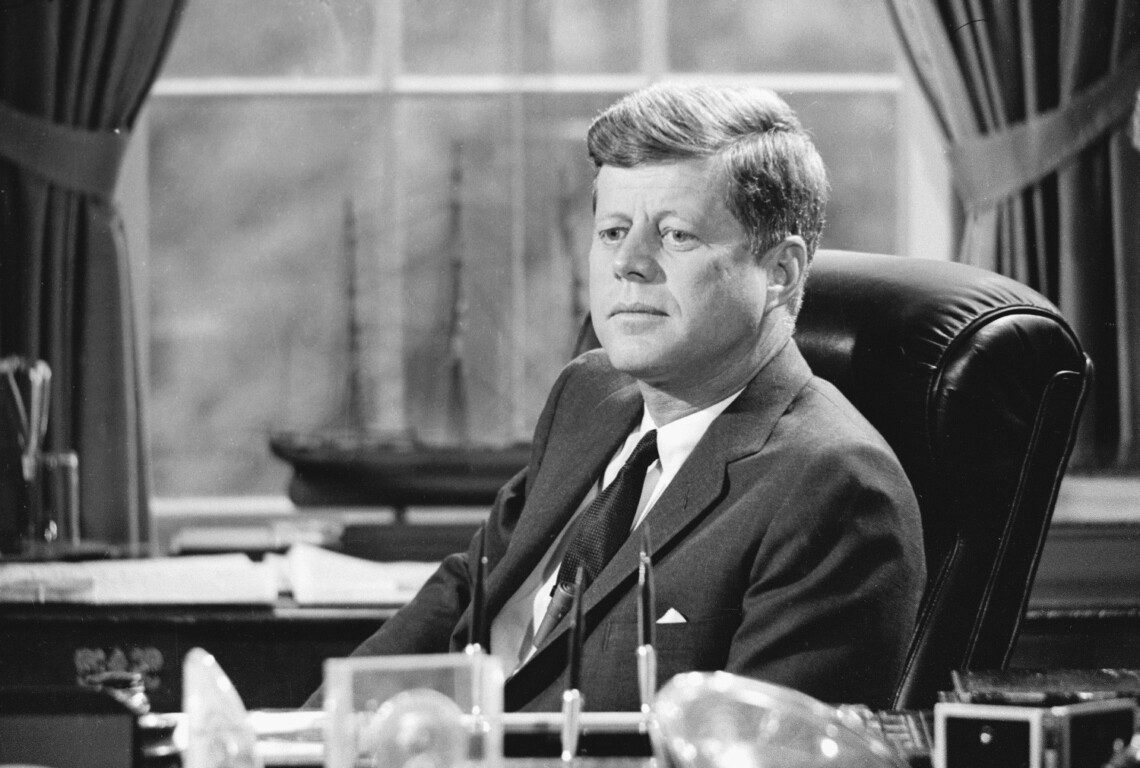
John F. Kennedy resolved to stop in Texas on June 5, 1963, after a meeting with Lyndon Johnson and John Connally at the Cortez Hotel. As active preparations for the 1964 presidential election were underway, Kennedy needed to enlist the support of a huge number of voters.
For more than a year in Texas, L. Johnson helped him with this, because he was a native of the state and had a certain authority among the population.
A few months later, only the deaf did not hear about the president’s planned visit to the state of Texas, specifically to Dallas. Most people were preparing and waiting for his arrival. Instead, activists who opposed Kennedy’s political activities distributed leaflets with inscriptions that he was wanted on charges of treason.
The incident also occurred during a speech by U.S. Ambassador to the United Nations Adlai Stevenson. His speech to Dallas residents was interrupted by demonstrators who attacked the politician with slogans against the organization. But despite these incidents, Secret Service agents were still developing a route for the presidential motorcade through the city.
The governor of Texas was responsible for the visit. On November 19, Dallas newspapers published Kennedy’s itinerary. It was planned that the president would visit the Dallas Convention and Exhibition Center, where a gala event would be held to mark his arrival.
Events a few hours before the murder

The plane carrying the Kennedys arrived at Dallas’ Love Field Airport on November 22 at 11:40 a.m. Ten minutes earlier, U.S. Vice President L. Johnson landed. Traditionally, the country’s leaders traveled separately so that in the event of a disaster, the country would not lose two leaders at once.
Dallas welcomed the politicians with open arms: the sky was sunny and the weather was quite warm. First, John Kennedy and his wife greeted the citizens who had been waiting for them for several hours right at the airfield. The roof was removed from his car so that the president could meet other Dallasites. The motorcade, surrounded by a tight security detail, moved through the city.
At the head of the procession was an “advanced” Dallas police car, followed by a “pilot” car. Two groups of the city’s best law enforcement officers on motorcycles were 400 meters away. Only after them did the presidential navy blue Lincoln Continental convertible move slowly.
In the car were U.S. Secret Service agent William Greer, the head of presidential security Roy Kellerman, the governor of Texas and his wife, and, of course, the Kennedys. They were followed by dozens of cars with presidential aides, members of the Department of Public Safety and other Secret Service agents. But as it turned out later, even this number of escorts was not enough.
Fatal shots
According to the preliminary arrangements, the presidential motorcade was supposed to arrive at the Dallas Convention Center in 38 minutes, traveling at 25 miles per hour. But because the crowd literally surrounded the Lincoln Continental convertible, John Kennedy gave the order to drive slower so that he could greet the citizens.
This worried the Secret Service agents greatly. They began to suggest that the president wear a bulletproof vest and have additional bodyguards around him. Kennedy categorically refused and said that he did not feel threatened by the people who were so happy to see him.
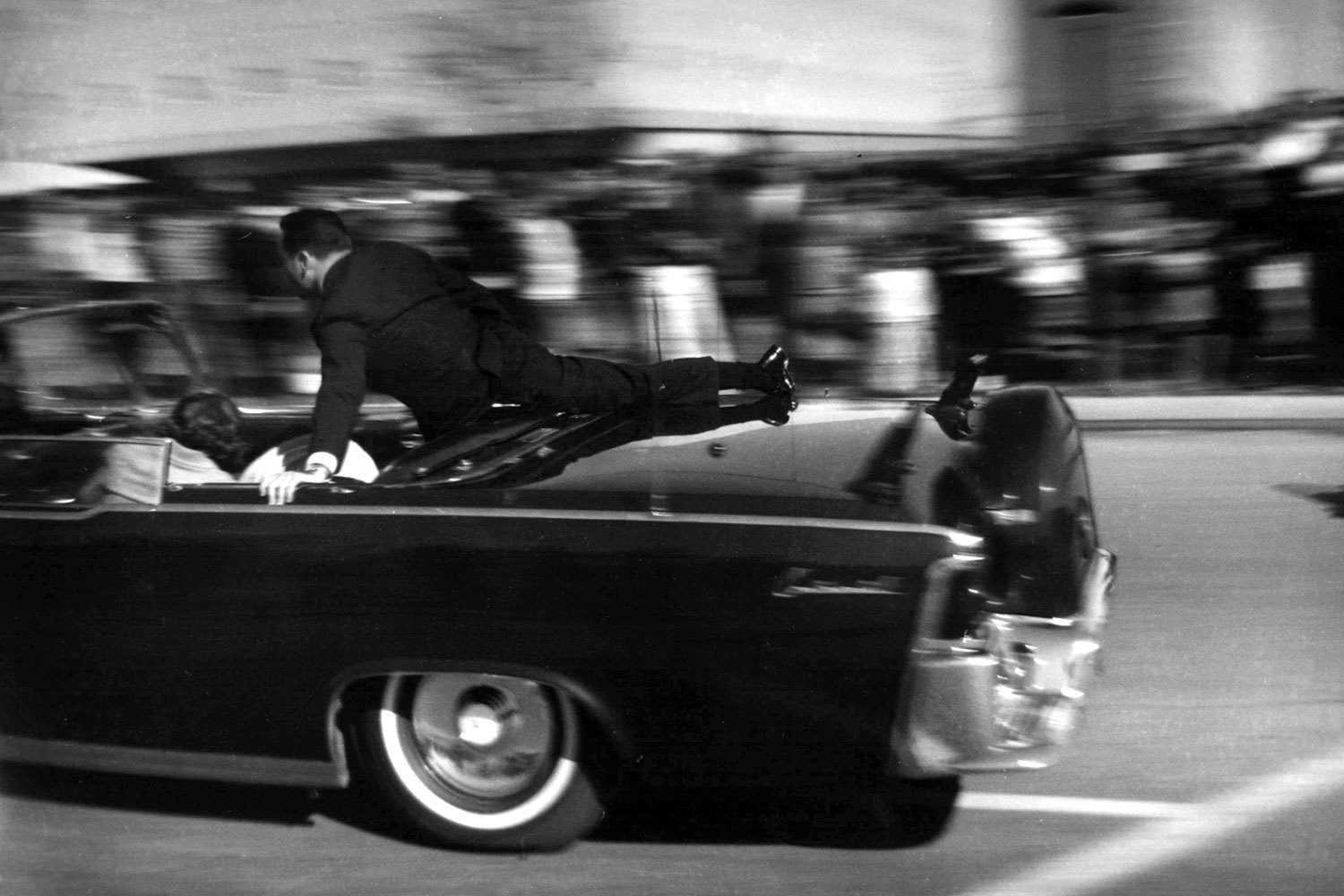
At 12:30 p.m., as the motorcade was moving down Elm Street, loud shots were heard. Some eyewitnesses claim that there were several shots, while others say they heard at least six. According to the official version of the investigation, the first bullet hit the president in the back and went through and out of his neck. The second bullet, which later became the cause of death, hit J. Kennedy in the head.
In a panic, people around them began to run in different directions or simply fell to the ground. Parents were lying on top of their children to protect them in case of repeated shots. Meanwhile, the motorcade sped up and headed toward Parkland Hospital, four miles away from Elm Street. When J. Kennedy was delivered into the hands of doctors, he was still alive.
He was immediately provided with all the necessary first aid. Later, the president’s personal physician, George Gregory Barkley, arrived. But Kennedy’s condition was deteriorating right before everyone’s eyes, so it was clear that it was impossible to save him.
At 1:00 p.m., J. F. Kennedy was pronounced dead as a result of a gunshot wound to the head. The certificate was signed by G. Barkley. Around 4 p.m., the coffin with the president’s body was transported to his plane, which headed for Washington.
The arrest of Lee Harvey Oswald
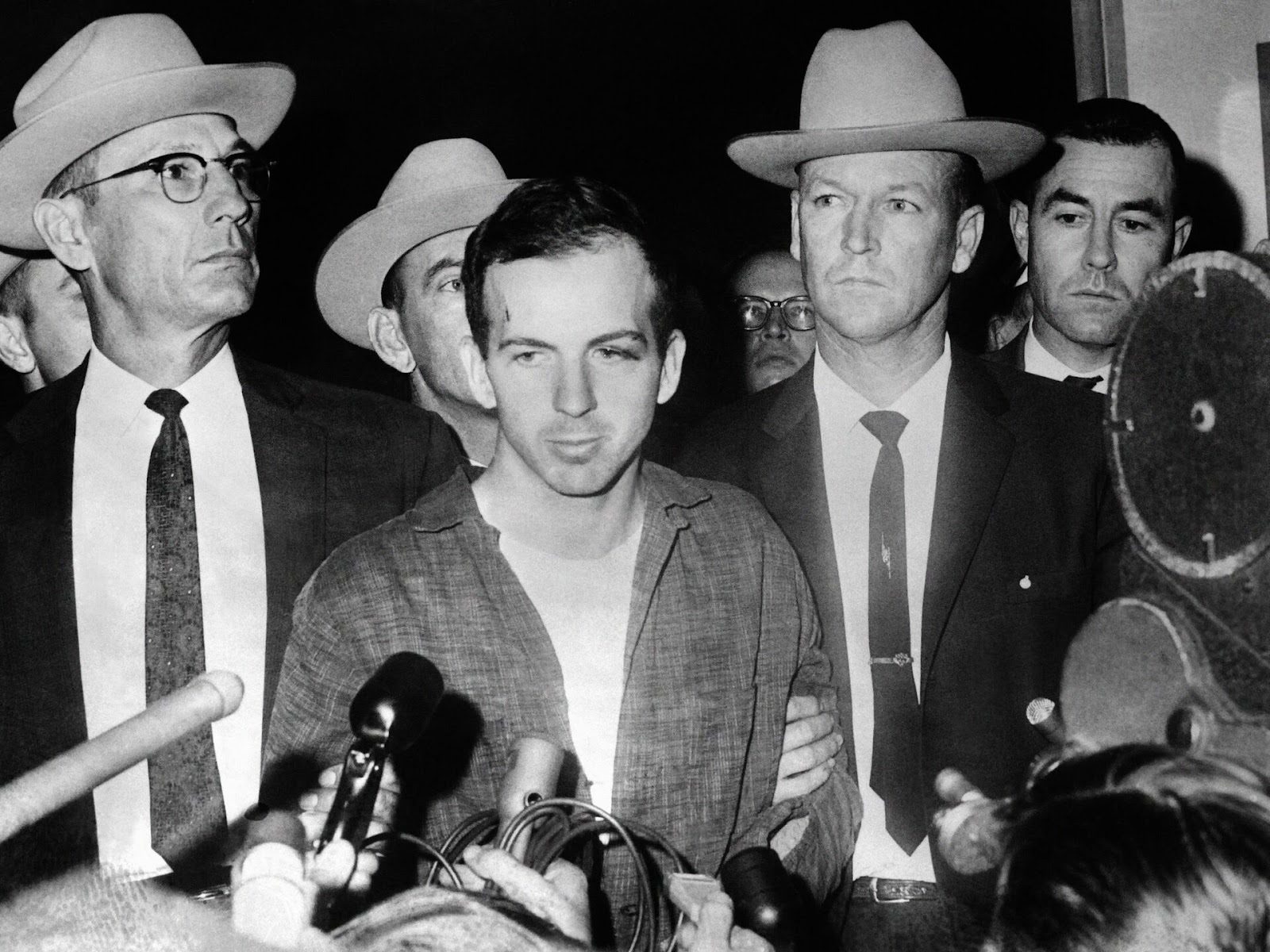
The main suspect in the crime was Lee Harvey Oswald. He was arrested an hour after the assassination of J. F. Kennedy. He was formally charged the same day in the evening.
During the investigation, dozens of witnesses testified against Oswald. According to eyewitness Howard Brennan, the assassin fired shots from the book depository. One of the employees confirmed that he also heard them. Having established Oswald’s home address, the police began searching for him.
At 1 p.m., one of the police officers, Tippid, stopped the suspect near his home. Oswald killed him with four shots, thus confirming his guilt. The police managed to catch him near a Dallas movie theater.
In response to the accusations of murdering Kennedy and Tippit, the perpetrator cried and screamed. He refused to admit his guilt and threatened to retaliate for slander.
On November 24, 1963, as the police were leaving the station with Oswald, he was shot by Jack Ruby, the owner of a city nightclub. Because of this, Oswald’s guilt was never proven or disproven in court.
Other versions of the murder
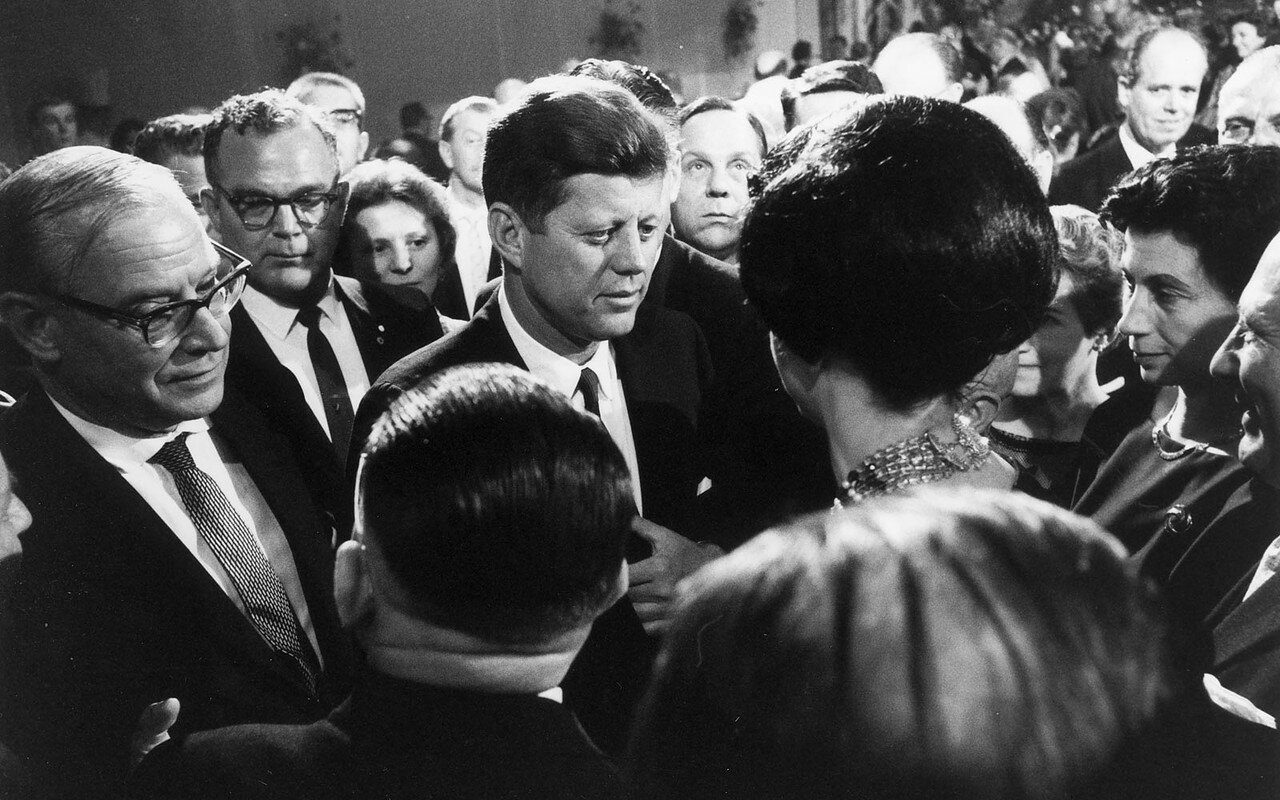
The majority of American society does not believe in the official version of the investigation, and Oswald is considered a common scapegoat. The commission assembled by L. Johnson failed to find convincing evidence to make the accusations against the main suspect seem credible. Most Americans are surprised by the fact that an armed Jack Ruby was able to approach the police station and kill Oswald.
Proponents of conspiracy theories began to build their own versions of the assassination of the US president, just as they had done with the death of his brother in 1968. They linked J. Ruby to the Cuban mafia, which hated Kennedy and had a motive to kill him. Others believe that only one person cannot be behind the assassination. There must have been at least two. But no evidence of this has been found either.
In 1992, the U.S. Congress issued an order stating that by 2029, the intelligence services should make every effort to investigate the case and then make all the information collected publicly available. So, we hope that one day the answer to the question “Who killed President Kennedy?” will be revealed.