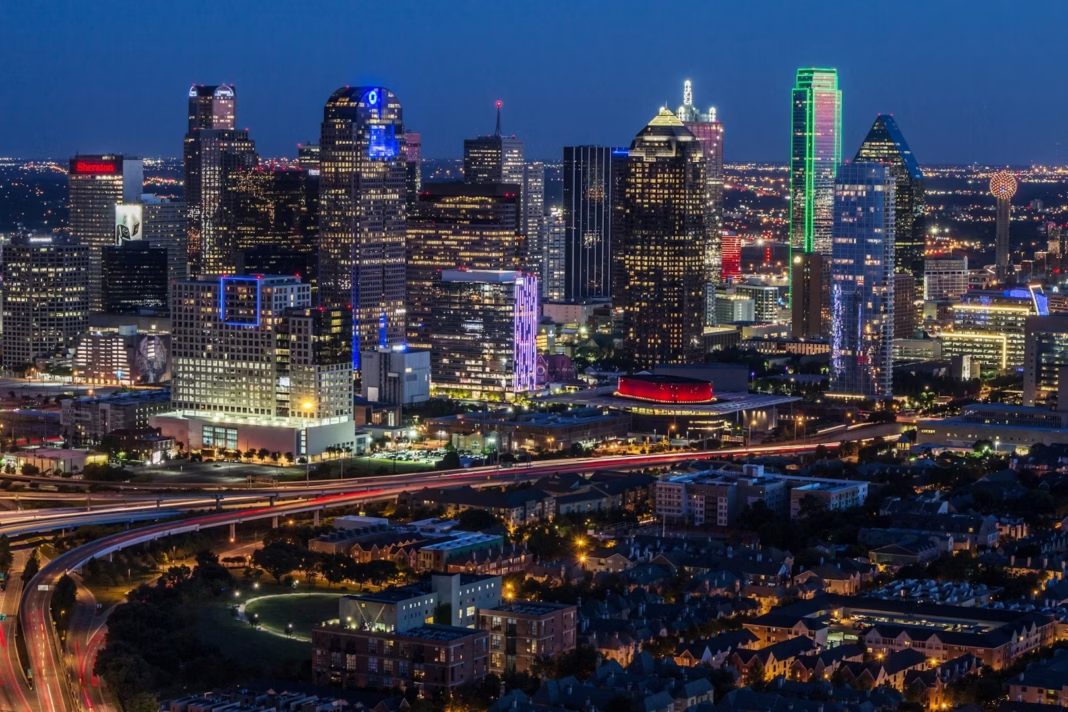

Dallas is one of the largest cities in the state of Texas, with a rich and distinctive political history. Overall, this metropolis reflects the broader political development of the Southern United States. Today, we’ll take a closer look at the political evolution of our city and the surrounding region. Read more on dallas-yes.com.
Politics in Dallas: How It All Began
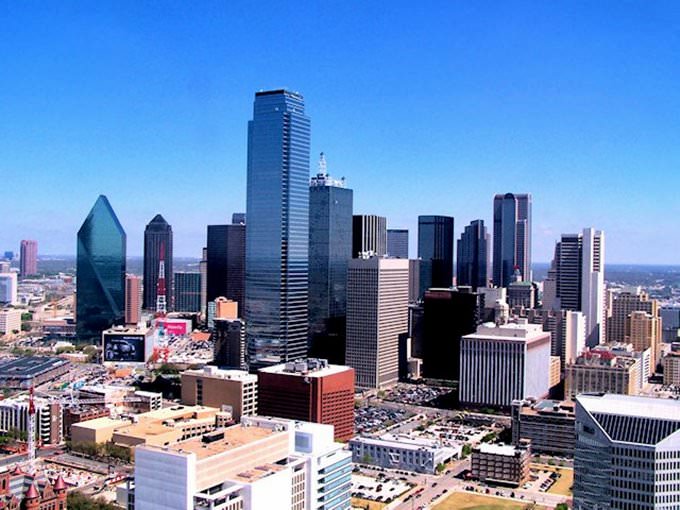
Dallas was founded in 1841 and named after George M. Dallas, the 11th Vice President of the United States. At first, it was just a small settlement, but thanks to its favorable location, it quickly developed into a city.
The political life of Dallas and the region in the 19th century was closely tied to the events of the Civil War and the Reconstruction era that followed. Texas, along with Dallas, became part of the Confederacy, a fact that shaped the region’s political priorities for decades to come.
It is worth noting that after the war, the Democratic Party gained a political monopoly in Texas, which lasted until the mid-20th century. This party controlled not only local government positions but also the state’s representation at the federal level. However, the Democrats of that period often supported racial segregation policies. Beginning in the second half of the 20th century, the political landscape of Dallas and Texas as a whole started to shift.
In 1963, a world-changing event occurred in Dallas — the assassination of U.S. President John F. Kennedy. This tragedy not only became part of global history, but also deeply influenced the political climate of both the city and the nation.
Political Life in Dallas After the 1970s
By the 1970s, the Republican Party began gaining strength in both Dallas and the state of Texas. Political analysts note that this shift was driven by population growth, an expanding economy, and increased business activity. All these factors contributed to changing political preferences among Dallas residents. By the 1990s, both major U.S. political parties — the Democrats and the Republicans — were competing actively in the city.
The 1990s marked a significant decade for Dallas, as it emerged as a major business and technology hub. As a result, the city’s political tendencies began to lean more toward the Republican Party, which at that time gained control of most state-level positions in Texas.
A turning point came in 1994, when Republicans won the governorship and secured majorities in many state and local government offices. However, Democrats in Dallas continued to play an active political role in the city’s life.
Starting in the 2000s, Dallas experienced rapid population growth as young, progressive, and ambitious people moved to the city. This demographic shift favored the Democratic Party, while the rural areas around Dallas maintained conservative values and continued to support Republicans. Over time, urban Dallas became a stronghold of Democratic politics.
From 2020 to 2024, the Democratic Party has maintained its lead in Dallas in terms of political support. The Democrats continue to focus on social justice, infrastructure development, healthcare, and civil rights protection. Meanwhile, the Republican Party holds more conservative positions, advocating for lower taxes, a strong national defense, gun rights, deregulation, and restrictions on labor unions. The party also strongly opposes abortion rights.
Such is the political landscape of Dallas and the state of Texas today. We hope this article has helped you learn more about the political evolution of our city and the current balance of power that defines it.