
Dallas is, without a doubt, a huge financial and transportation hub in the southern United States. Thousands of cross-border transactions happen here daily, as it attracts investors, students, and tourists from every corner of the globe like a magnet. Naturally, in a city with such intense international traffic, currency exchange services are absolutely vital. But here’s the main catch: the way to get that money varies dramatically—from completely legal, licensed financial institutions to genuinely dangerous, underground networks where you can lose everything. We need to dive into both realities to clearly understand where to keep your money and where you shouldn’t even set foot for a second. More at dallas-yes.
How to Safely Exchange Money in Dallas
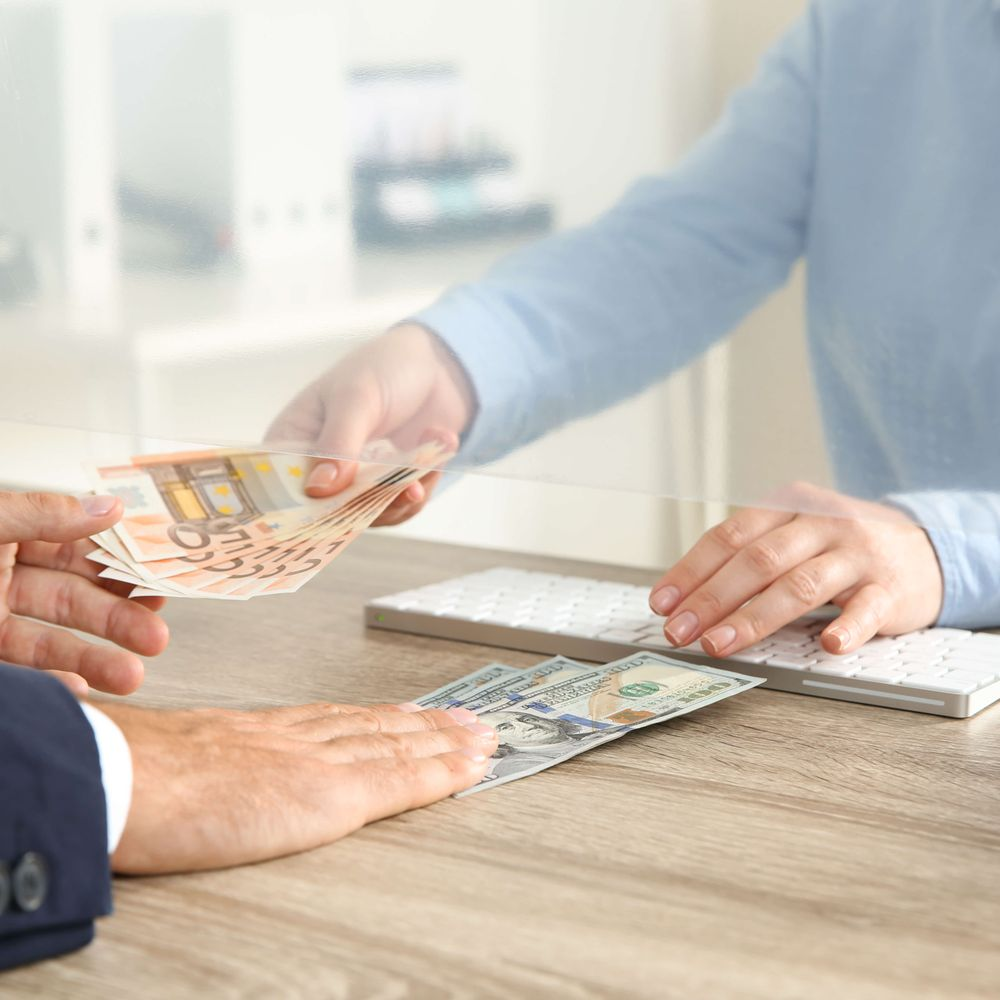
When it comes to exchanging money in Dallas, most sensible people visiting or doing business here choose the only correct path: licensed and completely legal channels. This is perfectly logical, as it’s the safest and most reliable method of conversion.
First, banks and major financial centers are the classic choice and the most obvious option. Big players like Wells Fargo, Bank of America, or local giants such as Prosperity Bank or Cadence Bank will always offer currency exchange, especially if you’re a client. Even institutions like SkyOne Federal Credit Union might have special terms. Of course, don’t expect them to always have rare currencies in stock—you’ll likely need to order them in advance. But let’s not forget the main, colossal plus: you are 100% protected by law, and you can be absolutely certain the money isn’t counterfeit. If the slightest problem arises, you simply go to a manager and resolve it within the legal system.
Second, since Dallas welcomes millions of passengers, there are specialized Currency Exchange Offices, which are conveniently found on platforms like Yelp. They allow you to quickly see which local firms or international chains, such as Travelex (though they are more common at airports), offer services nearby. On these platforms, you can often find smaller financial organizations or even banks that specialize in specific currencies, like Woori America Bank (for KRW) or companies focused on transfers to Latin America (Intermex).
And finally, of course, bank cards and international money transmitters (like Western Union, MoneyGram, or Ria Money Transfer) are indispensable. They are legal “money transmitters” and allow you to get cash or transfer funds almost instantly.
Illegal “Money Changers” and the Pitfalls
But the moment you step away from licensed offices, you enter a veritable financial swamp. In Dallas, like any city where big money circulates, a shadowy currency exchange market thrives. It’s run not by mere “street changers,” but by organized crime syndicates. This activity is illegal, as it completely ignores financial regulations, and it carries incredible risks.
The largest and most insidious mechanism at play here is the “Black Market Peso Exchange” (BMPE). This isn’t just an exchange; it’s a complex engineering scheme for laundering criminal money.
Drug cartels have mountains of dollars earned from selling drugs in the U.S. But they can’t just deposit that money in a bank; they’d be arrested immediately. So what do they do? They sell these “dirty” dollars to illegal brokers. In turn, these brokers find businessmen who legally need dollars to buy American goods and export them. These businessmen pay the broker in pesos in their home country, and the money becomes “clean”—and goes on to fund more crime. Dallas, as a gateway to Latin America, is unfortunately a key link in this scheme. Federal authorities have repeatedly stressed that the BMPE is the primary channel for money laundering in the region.