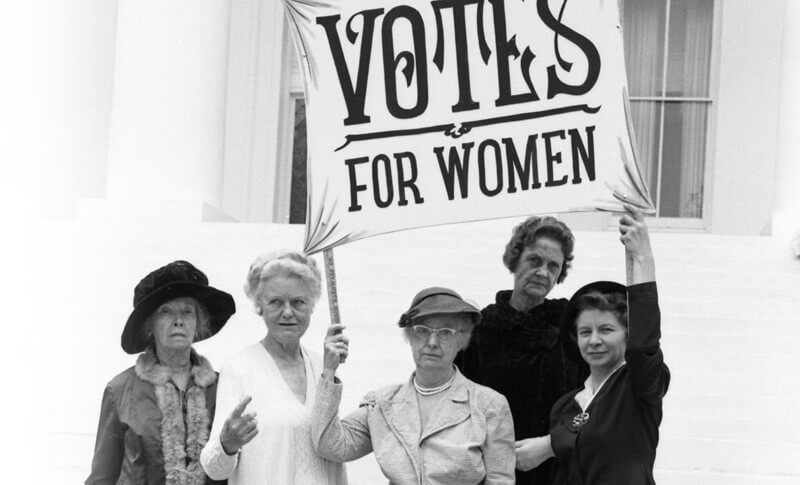

The role of city women in the electoral process has gone a long and difficult path from the complete absence of any rights to gaining full opportunities. Step by step, women overcame gender stereotypes that had influenced their lives for centuries. As a result, they managed to win not only the right to vote but also an equal place among other representatives of elected offices. Read more on dallas-yes.
Dallas Equal Suffrage Association
The Dallas Equal Suffrage Association (DESA) was founded in 1913. Its activities were initiated by 43 local white women, representatives of influential and wealthy families. During one of their meetings, they decided to create a special environment in the city to spread the ideas of suffrage. The members of the organization emphasized overcoming the stereotype that the right to vote somehow affects femininity.
The Dallas Equal Suffrage Association became popular, as it stood out among other organizations by successfully adapting its campaigns to public expectations. In a fairly short time, DESA was known far beyond Dallas, as it actively supported similar organizations in other cities. However, it is worth noting that the activities of the Dallas Equal Suffrage Association were focused exclusively on the interests of white women, completely avoiding any initiatives for African-American women.
Five years after the organization was founded, namely in 1918, the Dallas Equal Suffrage Association received a long-awaited result. At the legislative level, it was approved to grant women throughout the state partial voting rights at party conventions and primary elections. Then, the organization began to actively work on the process of women’s registration, which was necessary for official voting.
Women who managed to hold elected office
The first woman in Dallas to hold, albeit a minor, elected office, was Eddie Bernice Johnson.
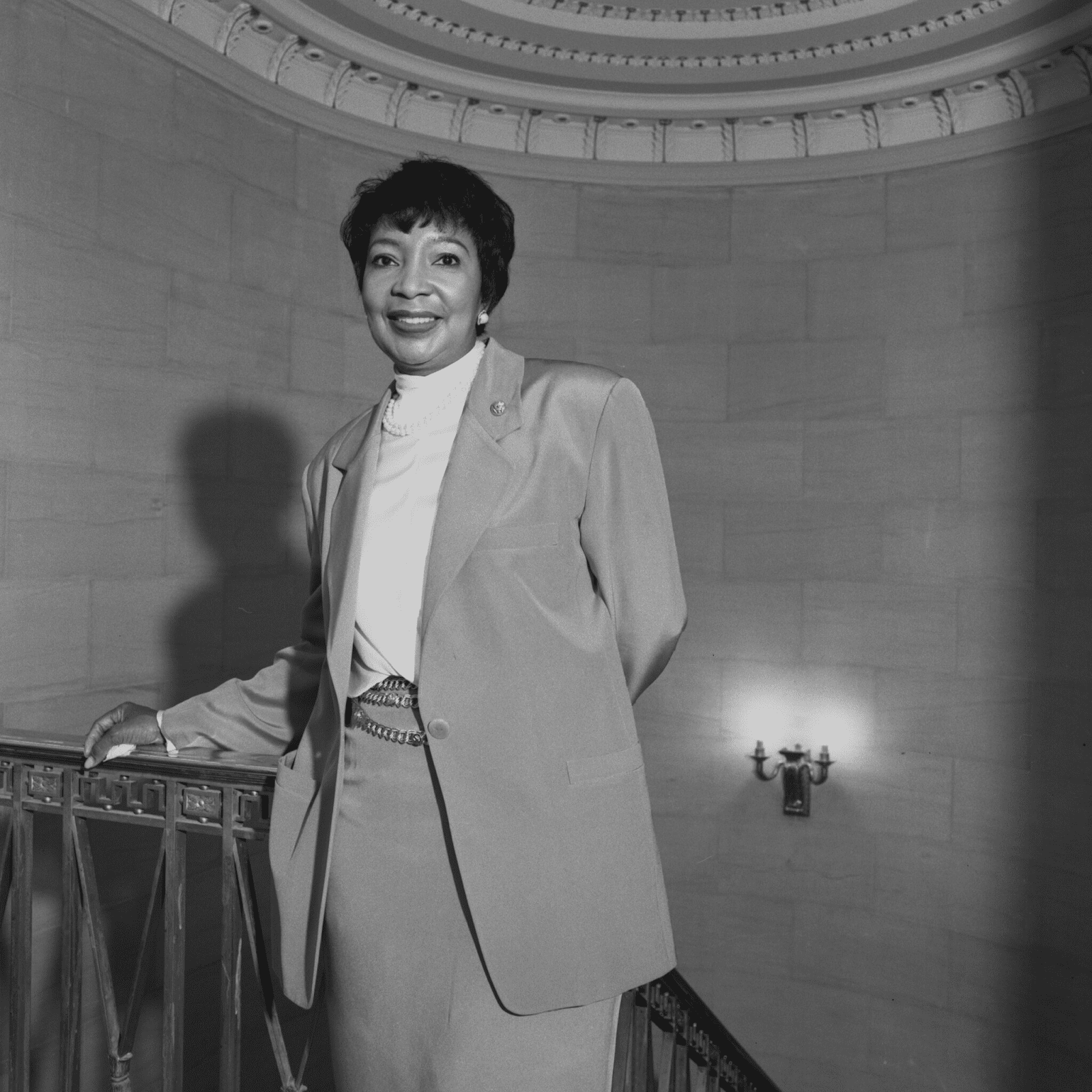
From a young age, Johnson dreamed of a career as a politician. This was because her parents were civil servants. However, the most important role in this difficult choice was played by the fact that the woman could not accept injustice and discrimination. She was familiar with the latter. During her student years, Eddie Bernice Johnson was forbidden to live in a dormitory because of the color of her skin.
The woman was helped to continue the struggle by her friends. After each defeat, they supported Johnson, convinced her to move on for the sake of all black residents of Dallas. Thus, despite numerous obstacles, Eddie Bernice Johnson managed to become a member of Congress. Her figure became the personification of an extraordinary struggle not only against racial but also against gender discrimination.
As history shows, all the efforts of previous generations of women were not in vain. Finally, in 1976, Adlene Harrison became the mayor of Dallas. She was the first Jewish woman in the political sphere of such a large city.
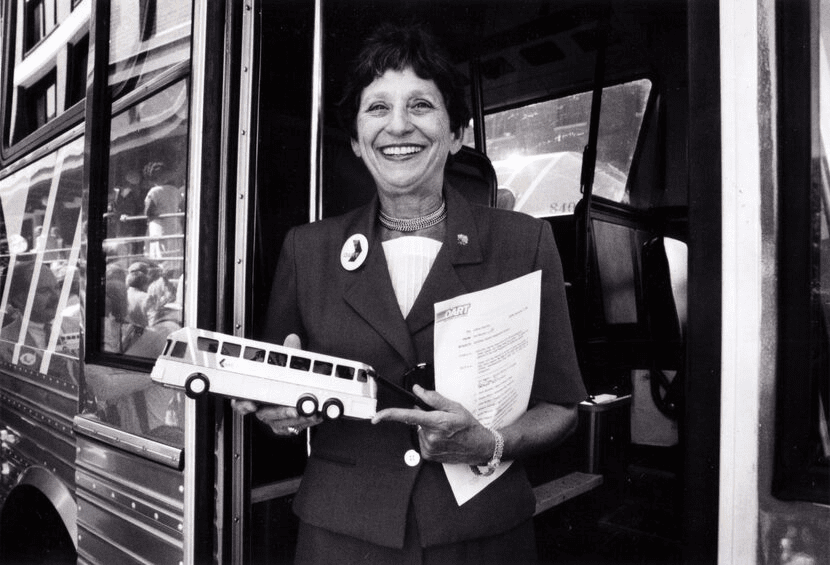
Adlene Harrison was remembered by the residents of Dallas for always trying to solve the smallest problems in the city. This trait manifested her feminine attitude. She felt like the housewife in the city and wanted everything to be in order. Despite her fragility and attention to detail, Harrison was often compared to a nail. She steadfastly endured all the trials and found a way out of the most difficult situations.
In general, the townspeople never regretted casting their vote for the woman during the 1976 elections. She fully met the voters’ expectations.