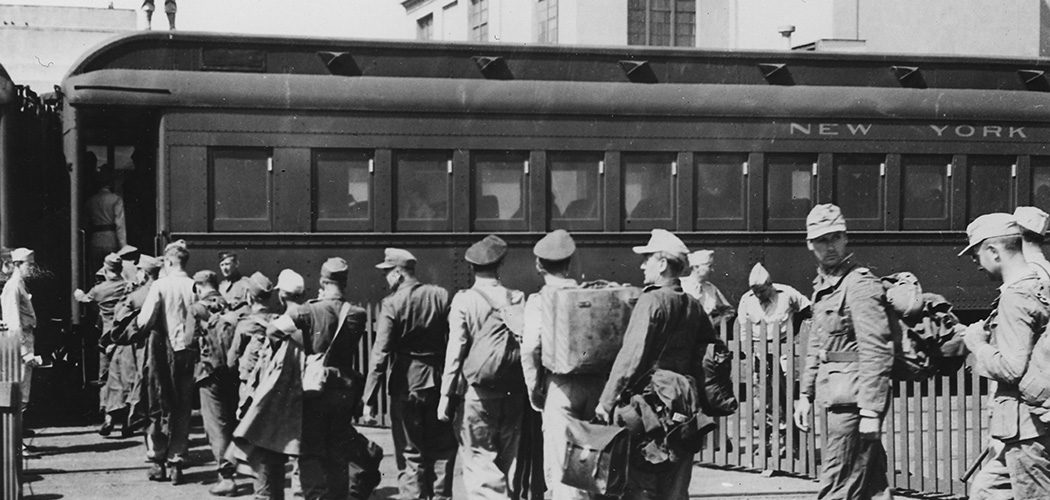

During the Second World War, tens of thousands of German and Italian prisoners of war were sent to Texas. According to historical records, more than 80,000 prisoners passed through the state’s camps. From 1944 to 1945, several hundred of them were detained in a camp on the eastern shore of White Rock Lake in Dallas.
Over time, only a fire hydrant remained on the site of the prisoner-of-war camp, but historians managed to discover a lot of interesting information about it. Learn more at dallas-yes.
Secrets of White Rock Lake
Everyone knows that the favorite lake of Dallas residents is veiled in dozens of legends. It has a rich and fascinating history. However, most people know that the lake was previously used as a reservoir or a tourist destination. However, few people are aware that its coast served as a shelter for hundreds of prisoners of war during World War II.
Professor of US history Steven Butler, who wrote the book “From Water Supply to Urban Oasis: A History of White Rock Lake Park,” was one of the first to become interested in the secrets of the lake in Dallas. At first, the gossip about the camp with Hitler’s Army men seemed strange to him, but as he dug deeper into historical sources, he discovered a wealth of fascinating information. For example, the local newspapers during those years wrote extensively on the camp. That is, nobody denied its existence. Butler, inspired by an unexplored topic, began to publicize it.
Camp construction process
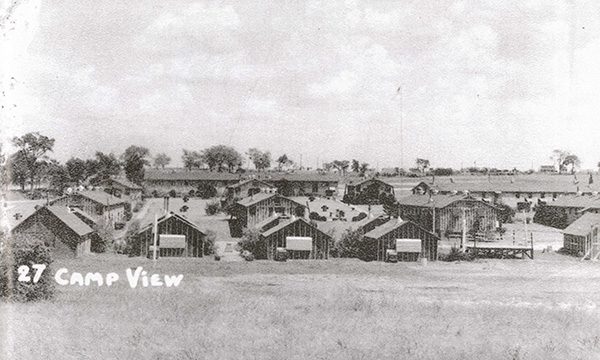
The Dallas lakeside development project was undertaken by US President Franklin Delano Roosevelt. To be more specific, he called for the creation of the Civilian Conservation Corps as part of his New Deal during the Great Depression. As a part of this project, Americans were to address the issue of employing the unemployed. Thus, the federal program recruited young people from all over the country.
Members of the Civilian Conservation Corps began development around White Rock Lake in the late 1930s. The majority of them were from Dallas or Collin counties. First, they began constructing walls around the reservoir to prevent erosion. Over time, employees began to construct small houses. They performed quite well despite their lack of professional experience. In addition to structures around the lake, their labor resulted in buildings on Winfrey Point, Flagpole Hill and Sunset Bay.
The beginning of World War II
When the United States entered World War II in 1941, the majority of the young people in the Civilian Conservation Corps joined the army. The city officials were presented with the issue of how to appropriately utilize houses on White Rock Lake. As the former director of Dallas Parks stated in an interview, there were many options. For example, the US Army Medical Corps proposed opening a clinic for people suffering from sexually transmitted diseases. However, it was ultimately determined that the camp would be used to accommodate German prisoners of war.
According to the Geneva Convention of 1929, all prisoners of war had to be retained under climatic conditions as comparable as practicable to those in which they were captured. The number of soldiers captured in North Africa ended up in Dallas.
After the war, all prisoners of war held in the Dallas camp were returned to Europe. Some, however, did not want to go back at all as they were kept in such good conditions. In 1951, German Hans-Joachim Sembach even wrote to the Dallas Morning News, asking to be sent back to America, namely Dallas. It may appear odd, but the former prisoner of war actually missed the times when he had to work in Fair Park.
Everyday lives of prisoners of war at the Dallas camp
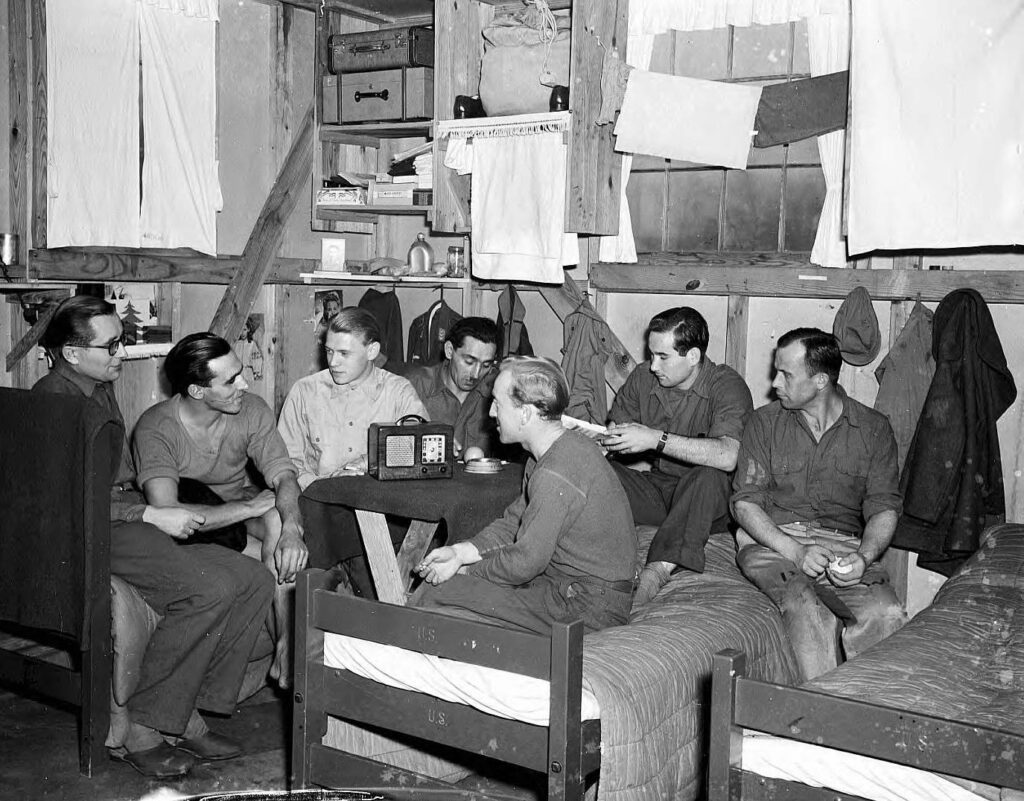
The Civilian Conservation Corps members created great living conditions, including comfortable houses, picnic spaces and park areas. The soldiers were only reminded of their imprisonment by the barbed wire that surrounded the territory and security. There were no fugitives who wanted to leave the camp in Dallas. Some attempted to flee other camps in Texas, but these were prisoners who were simply depressed and looking for women and alcohol.
A typical day of prisoners at the camp in Dallas was better than those sent to any other camp. The prisoners were well-fed, and they felt relaxed and at ease. American society has repeatedly expressed its dissatisfaction with such luxurious conditions of detention. During the day, soldiers worked in workshops, repairing tents and restoring helmets for the US military. In the evening, they were allowed to do sports and devote time to art and study.
After the war ended in 1946, the prisoners were sent to Europe. They were first involved in the restoration of cities in England and France but were eventually forced to return home. The Dallas camp began to be used for the country’s needs, such as providing housing for war veterans.