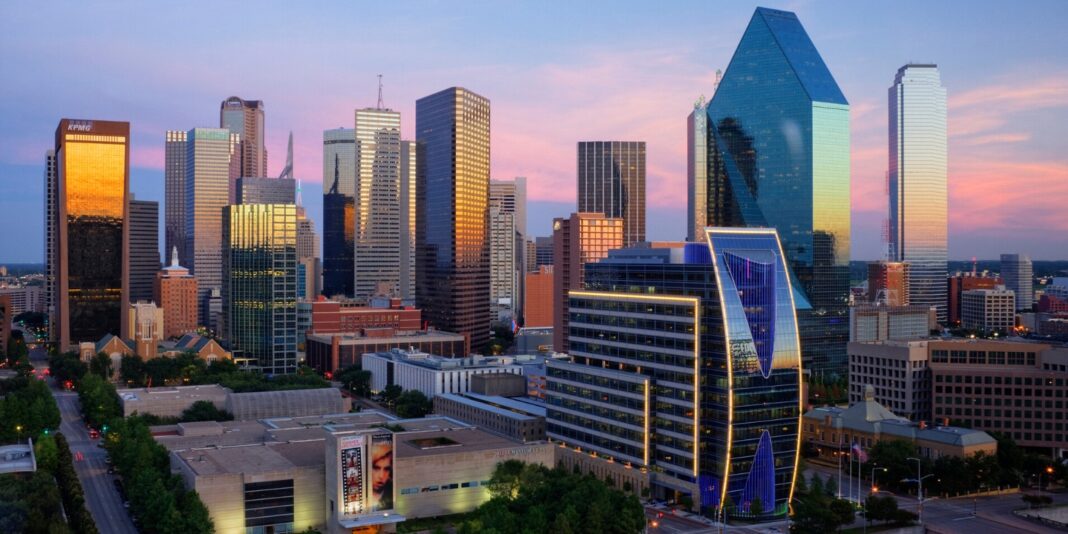

Dallas has always been a city of constant development, often marked by astonishing changes. It’s no surprise, then, that many unique initiatives would take root here. In 1937, the Dallas Citizens Council (DCC) was established, an organization that would go on to shape the city’s identity and life throughout the twentieth century. The idea was the brainchild of Robert L. Thornton, a man with a fervent passion for Dallas who had already proven his dedication by securing the Texas Centennial Exposition for the city in 1936. Thornton envisioned the DCC as an exclusive club for top business executives. And while the DCC officially claimed to be apolitical, it immediately adopted a distinctly pro-business and conservative character. Read more at dallas-yes.
How Did the Dallas Citizens Council Begin?
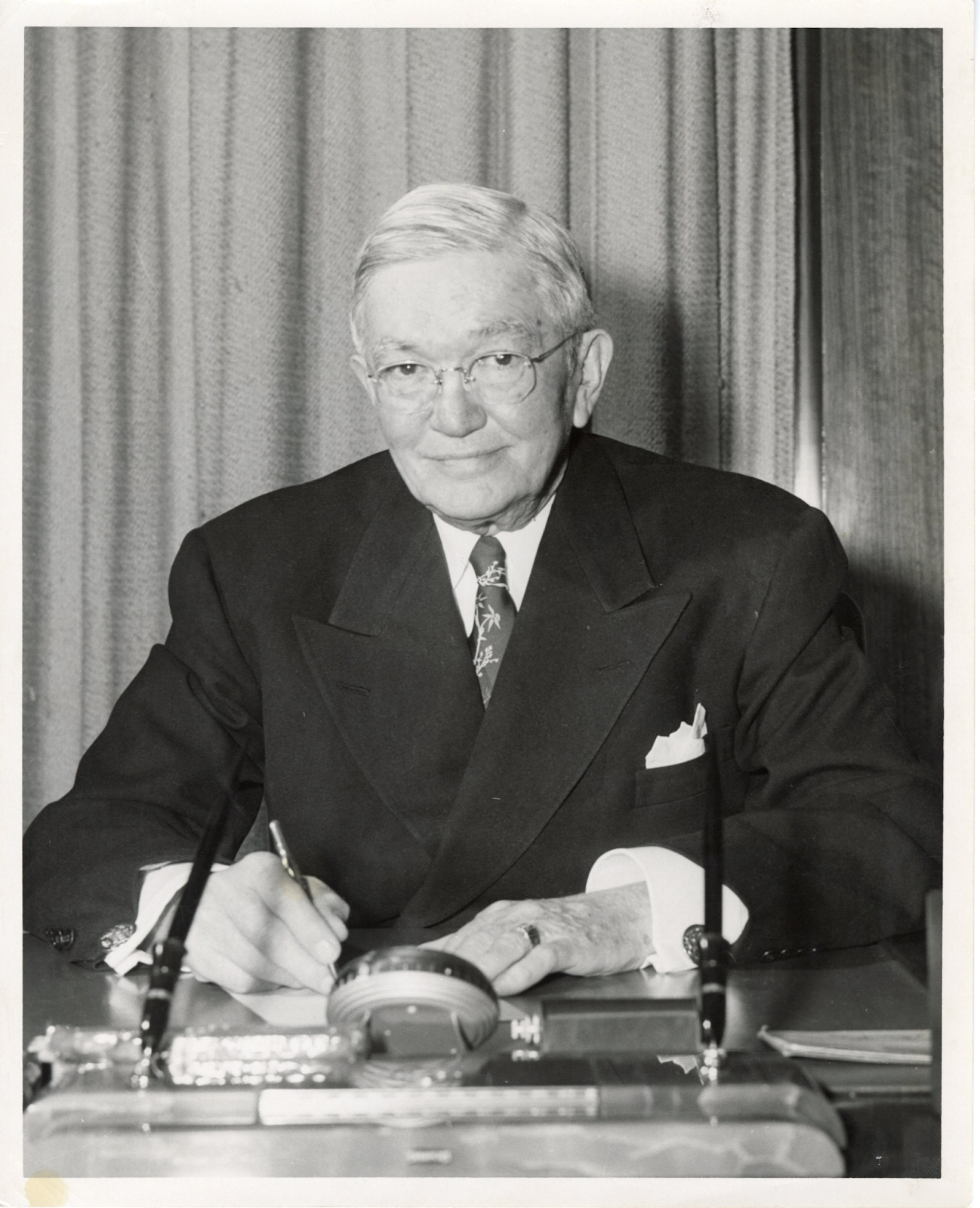
The story of the Dallas Citizens Council (DCC) essentially began with the simple yet ambitious idea of one man: banker and civic booster Robert L. Thornton. This passionate advocate for Dallas had already demonstrated his capabilities when he helped win the bid to host the Texas Centennial Exposition in 1936. The success of that event likely inspired Thornton to aim for something bigger—an entity that could systematically influence Dallas’s future.
He envisioned an organization composed exclusively of the heads of the largest local businesses. These were individuals with real power and resources who could make decisions quickly and invest significant funds in common goals without getting bogged down in bureaucracy. It was a highly pragmatic approach. Among the co-founders were those who had worked shoulder-to-shoulder with Thornton on the exposition, including Nate Adams and Fred F. Florence. They undoubtedly became key leaders in the newly formed DCC.
The official inaugural meeting took place on November 12, 1937, at the Baker Hotel in downtown Dallas. Thornton gathered fourteen other influential businessmen. After they approved the charter and bylaws, Charles F. O’Donnell was elected the DCC’s first president, with Thornton serving as vice president.
Although the DCC was officially apolitical and never endorsed specific candidates in local elections (though individual members were free to do so), the organization had a clear pro-business and conservative leaning. This was immediately reflected in its membership: lawyers, doctors, teachers, journalists, and labor leaders were barred from joining. Why? The founders believed these professions lacked sufficient control over their institutions and employees. As a result, entire sectors of the economy were unrepresented at DCC meetings. Instead, financiers—bankers and insurers—were heavily overrepresented in the leadership. This, of course, spoke volumes about the organization’s priorities.
The Council’s Impact on the City
The Dallas Citizens Council (DCC) hit the ground running, and its influence was quickly felt across the city. One of its first and most important goals was to create a new master plan for Dallas. Members wanted it to encompass not only the city itself but also the development of all surrounding communities. In 1943, the Dallas City Council commissioned Harland Bartholomew to develop such a plan for Greater Dallas, which almost perfectly aligned with the DCC’s vision.
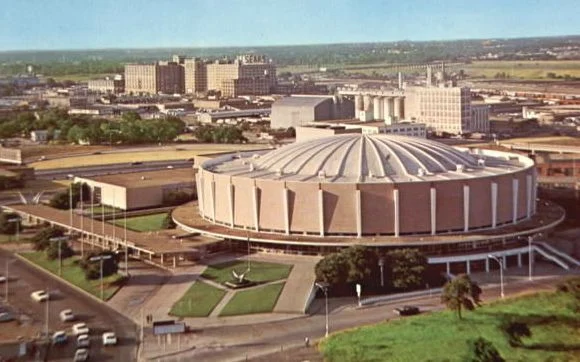
The Council was a true engine behind many construction projects. They championed the construction of what is now the Kay Bailey Hutchison Convention Center (formerly the Dallas Memorial Auditorium), as well as Victory Park. They also tackled everyday problems for residents, actively seeking ways to reduce traffic congestion. Their role in the creation of the Central Expressway and the DART (Dallas Area Rapid Transit) system is noteworthy. The DCC helped raise funds to establish the University of Texas Southwestern Medical School at Dallas, collaborated with the local school district to found Dallas College, and participated in numerous initiatives to improve schools, successfully lobbying for education funding reform at the state level.
Interestingly, they actively worked to improve and expand Love Field Airport and, believe it or not, even opposed the creation of Dallas-Fort Worth International Airport. This was all done to prevent the loss of business for the municipal airport.
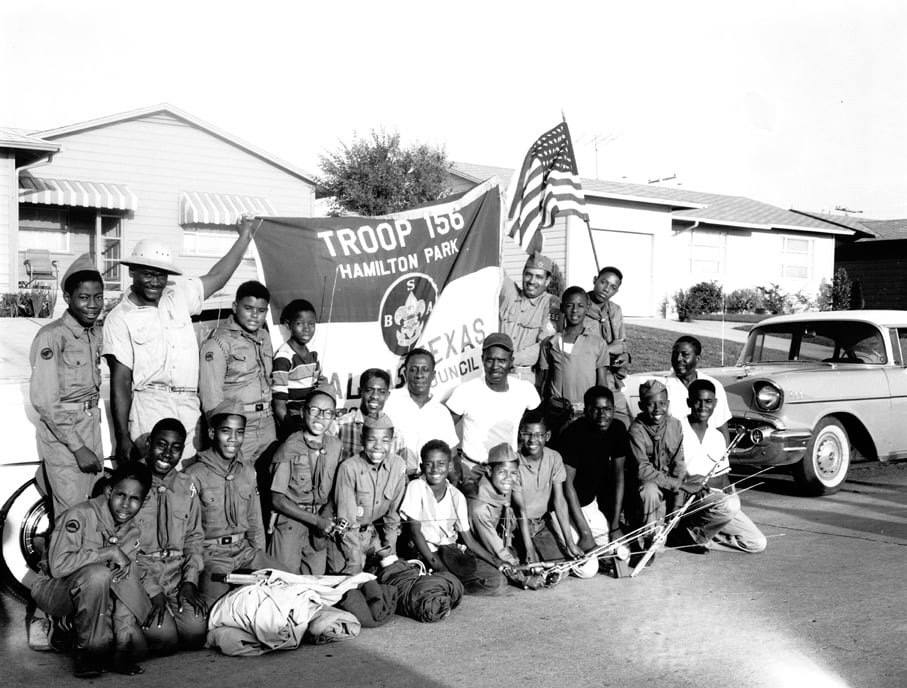
In the 1950s, the DCC also made significant efforts to address the housing crisis for the city’s African American population. Thanks in part to the efforts of co-founder Karl Hoblitzelle, Hamilton Park was established. The Council also supported arts institutions, organized fundraisers for the Dallas Symphony Orchestra, and helped found the Dallas Business Committee for the Arts.
The Other Side of the DCC’s Influence
After Dallas peacefully desegregated its schools, a stark contrast to the loud protests in Little Rock and New Orleans, the DCC naturally got involved. It actively worked towards the peaceful desegregation of the city. In 1961, then-DCC president C. A. Tatum Jr. headed a biracial committee that included both Council members and leaders from the African American community. Their task was clear: prepare the city for the start of school desegregation that fall. They launched a massive PR campaign to encourage compliance with the new rules and used their influence to get city businesses to lift restrictions on Black customers. At the same time, the committee sought to restrain the activities of African American activists to avoid any conflicts that might provoke white residents. DCC member and advertising executive Sam R. Bloom even created the well-known film Dallas at the Crossroads, which promoted peaceful desegregation. The film directly argued that Dallas’s continued economic growth depended on maintaining a positive national reputation.
However, the DCC’s exclusivity soon drew criticism from younger Dallas businessmen. This led to the creation of the Dallas Assembly in 1962, which included businessmen between the ages of 25 and 50.
A New Era for the DCC
After the tragic assassination of President Kennedy, the DCC faced serious criticism from the national media for the first time. It was portrayed as a closed oligarchy running Dallas politics from behind the scenes. The Council immediately set about restoring the city’s image. One step was replacing Bruce Alger, who represented Dallas in the U.S. House of Representatives and had largely contributed to the city’s reputation as reactionary. Mayor Earle Cabell resigned to successfully run against Alger in the 1964 election. Former DCC president Erik Jonsson was appointed as Cabell’s successor by six members of the Citizens Charter Association (CCA) council without any input from other members or the public—a move that only reinforced the perception of the DCC as a secretive and undemocratic body. Although Jonsson was elected to several more terms, the power of the business elite in Dallas politics began to wane after the assassination. The CCA was unable to elect another mayor after Jonsson’s departure in 1971.
In the late 1980s, the DCC began to more seriously address issues of racial inequality in the city and worked to increase economic opportunities. The Council started to play a more public role in Dallas politics, for instance, by endorsing Ron Kirk for mayor in 1995. As of 2025, the Dallas Citizens Council remains an active organization.
Sources: