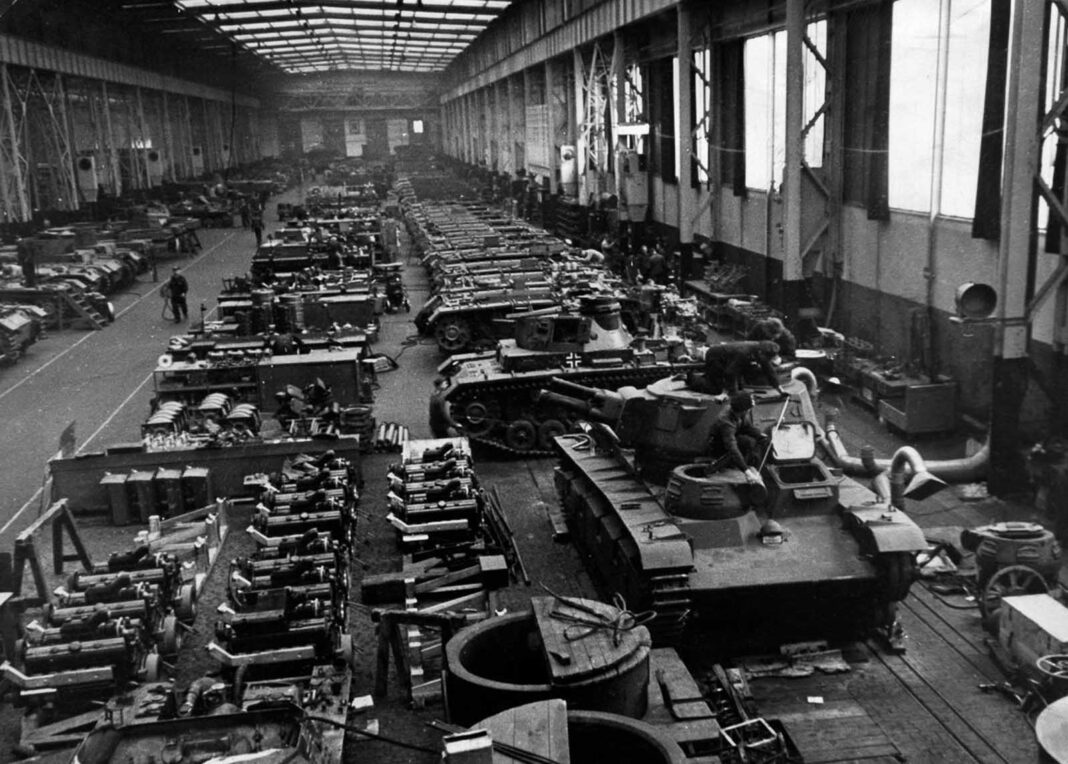

By 1940, the population of Dallas had reached about 295,000. After the outbreak of World War II, most countries and towns almost fully converted to military production, and the Dallas industry followed suit. The town’s labor force was intended to meet the needs of the army. So, for example, in 1942, Ford Motor Company began producing exclusively jeeps and military trucks. In 1943, the University of Texas Southwestern Medical Center, which trained future military doctors, was founded in the city. Find out more at dallas-yes.
Production of aircraft
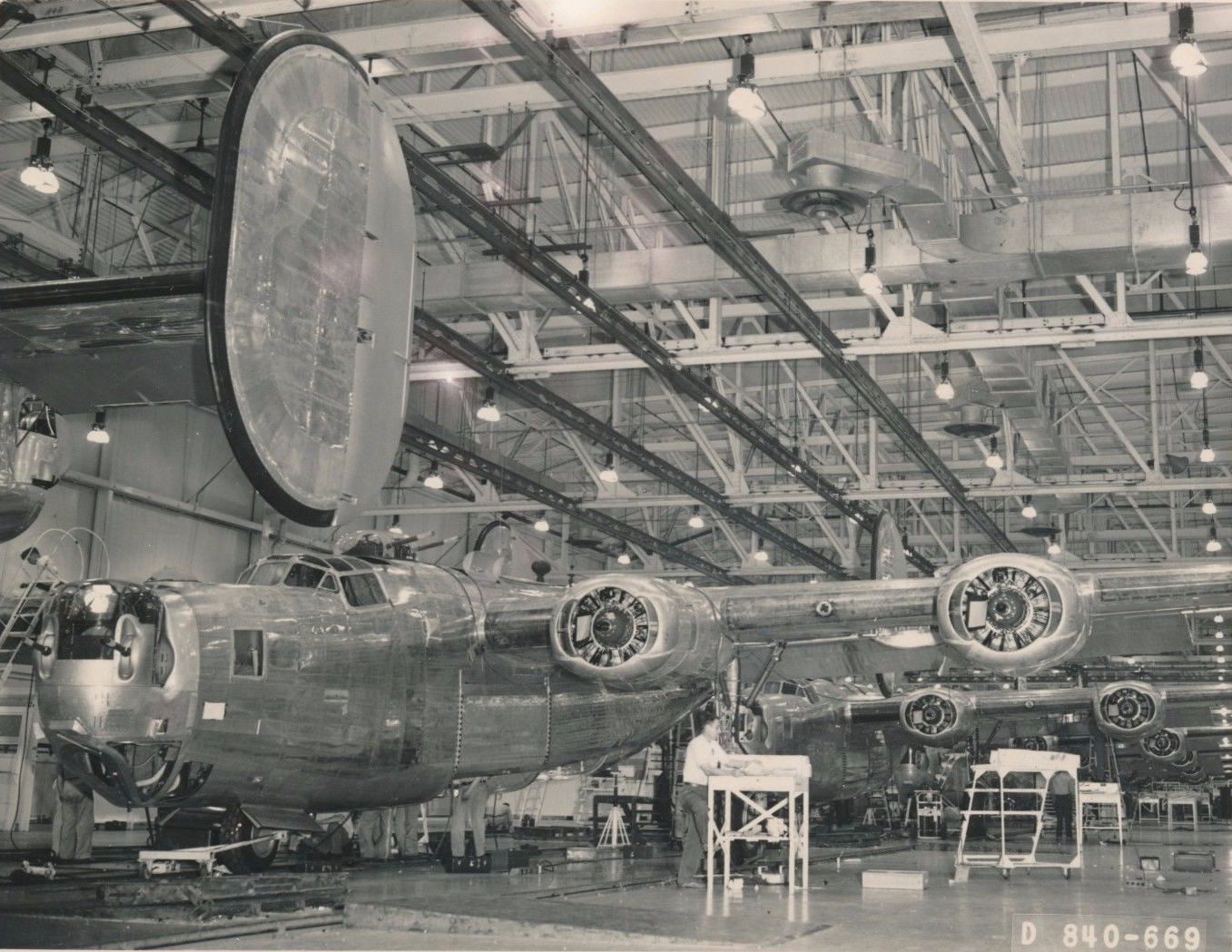
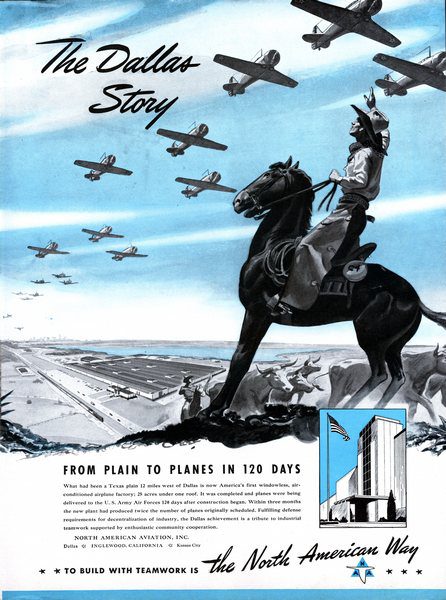
Dallas’ peak industrial development began during World War II. This is proven by the rapid construction of several large-scale aircraft factories that were built in a matter of months. Citizens who not so long ago had no understanding of the work at such enterprises had excellent production rates. Leaflets were distributed throughout America, displaying all of the pride in Dallas’ aircraft production.
During the Second World War, about 2,000 residential buildings were constructed on the grounds of the Grand Prairie defensive complex to house industry workers and pilots. Local pilots who lived on the Grand Prairie territory became known as “Air Hogs”. They were so committed to their work that they “lived to fly.”
The workers, who in April 1944 numbered over 39,000, demonstrated hard work as well. Frequently, they worked three consecutive 8-hour shifts. It appears they were on their feet the entire day! Thanks to superhuman efforts, 20,000 planes emerged from the Grand Prairie assembly lines. Among them were the army’s fastest and most valuable fighters, such as the AT-6 Texan, P-51 Mustang and others. Every month, the Grand Prairie Complex produced an average of 728 airplanes. This figure was the highest in the history of the United States. Both before and after World War II.
Operations at the Ford Motor plant in Dallas
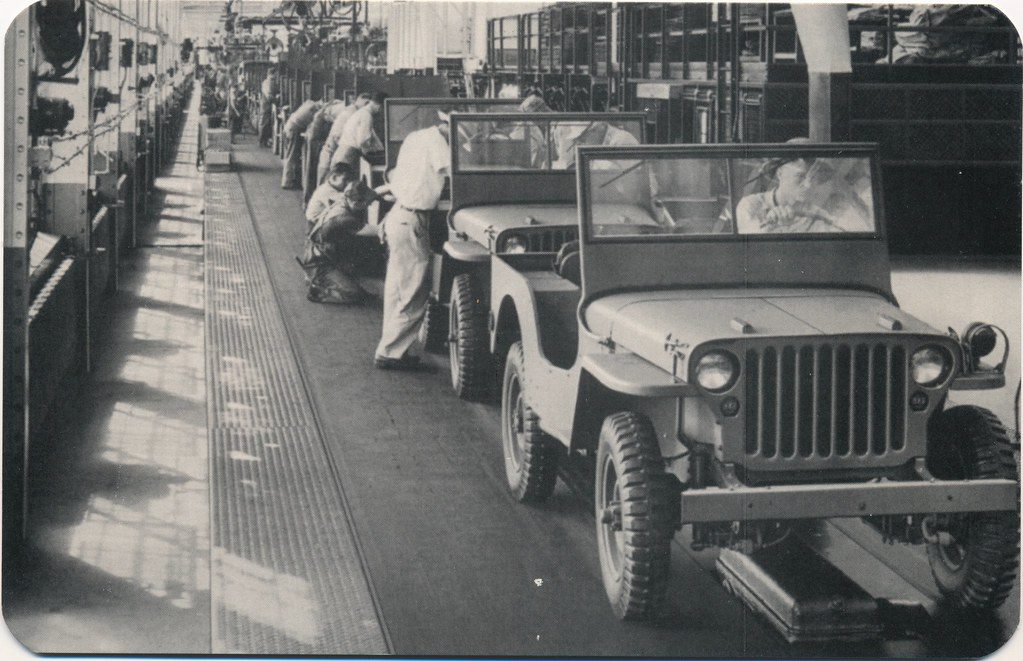
The owners of the Ford Motor Assembly Plant refused to assist the army until the United States entered World War II. The unexpected bombing of Pearl Harbor on December 7, 1941, compelled them to reconsider their position. The media reported that around 100,000 Ford Motor employees would work every day to build machines that would destroy the enemy. As a result, by early February 1942, Ford Motor Company had totally converted its production to meet the military’s needs. The Ford Motor Company plant in Dallas manufactured jeeps and trucks. These were primarily G8T and GT8A. In addition, factories in other cities started producing generators, tanks, planes and bombers. As a result, among other companies operating during World War II, the facility ranked third in terms of the cost of production contracts.
By the end of the war, Ford Motor Company in Dallas had manufactured almost 270,000 jeeps, 6,000 trucks and 27,000 engines. In addition, they manufactured a variety of component parts, gun installations and machine tools. However, looking at the issue from the perspective of ordinary employees, you may see various flaws in the workflow setup. All available rental rooms and houses in the area were occupied. The majority of men and women were obliged to travel to work by bus. After many hours of work, it appeared to be an even greater difficulty. As a result, many employees quit their jobs at the plant before working for a month.
The state recognized the enterprise’s contribution in approaching victory for the United States and its allies in World War II, and the American Legion awarded it the Distinguished Service Medal in 1944.
Training of military medics at the University of Texas Southwestern Medical Center
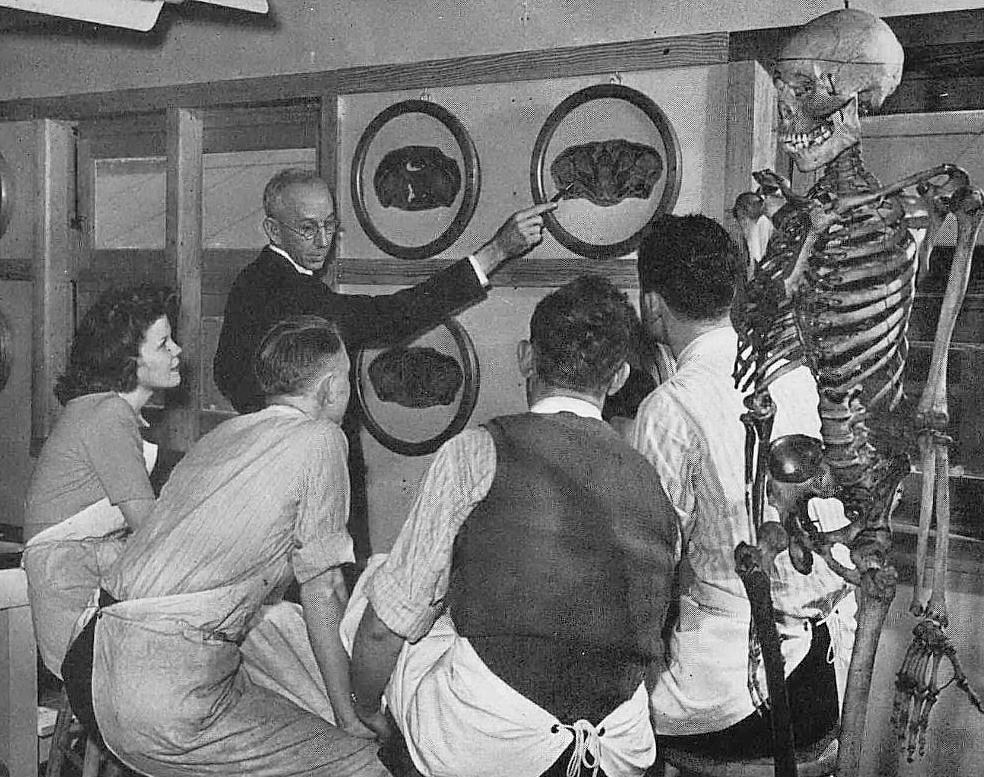
Medicine was also compelled to get on the military rails during the Great War. The traditional healthcare sector started to focus on the advancement of the medical industry. Priority was given to industries that manufactured drugs, bandages and medical equipment. As a result, there was a greater demand for specialists with special education backgrounds. In Dallas, the University of Texas Southwestern School of Medicine trained medical professionals during World War II. Simon Flexner, an American scientist in the field of medicine, remarked that it was the only one that met national standards.
Future medical professionals were trained in military buildings located next to Parkland Hospital. The training sessions were attended by members of the Eighth Army of United States Army forces. Usually, third and fourth-year students have already been enlisted in the military. Throughout the war, there was an acute lack of people who had a basic understanding of medicine and could contribute to the development of medical equipment. As a result, students were sometimes denied the opportunity to complete a full course of study since they were assigned to military forces right away.
The University of Texas Southwestern Medical Center, however, reached its peak during World War II. Already in 1968, the head of an educational institution announced the need for additional funding.