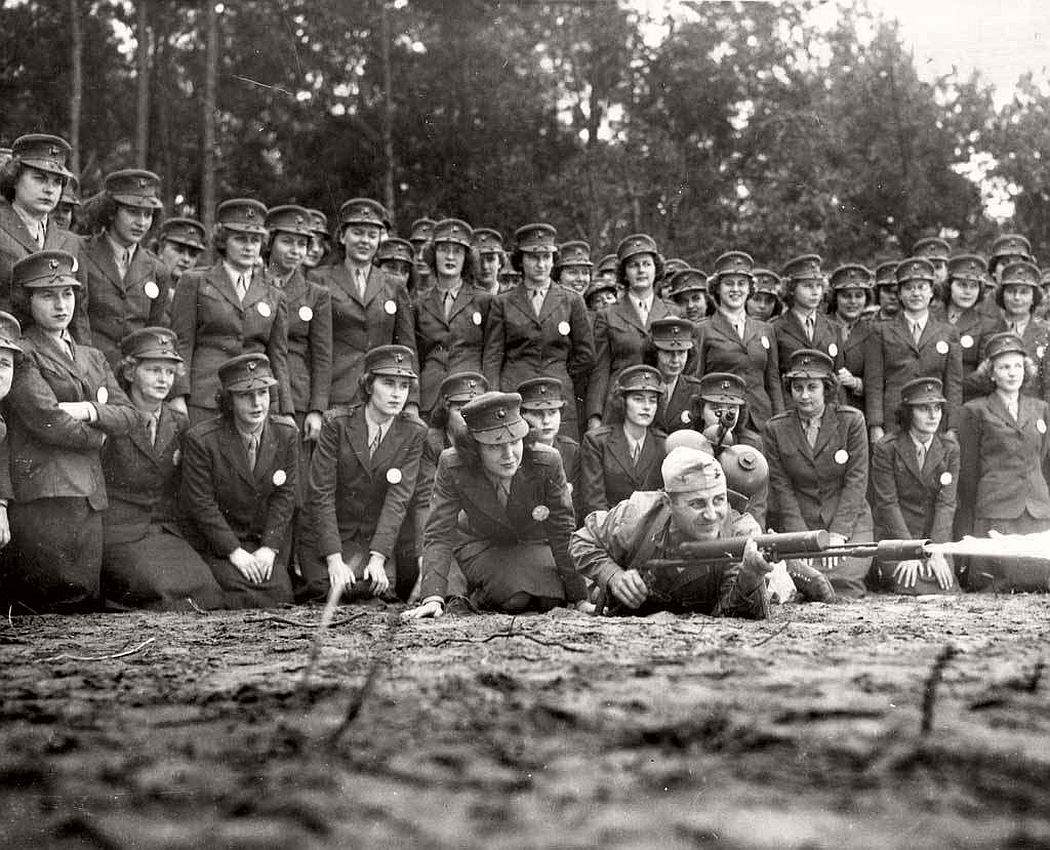

During World War II, the role of women in Dallas changed dramatically. According to statistics, from 1941 to 1944, every fourth woman was involved in some way in supporting the American army. During this difficult time for the country, the fair sex demonstrated all of their bravery, strength and perseverance. Some joined the army and served on the front lines, some worked for industrial enterprises, while others provided medical care or engaged in charitable activities. Of course, some people did not change their occupation at all, such as those teaching in educational institutions. Also, we should not undervalue the female citizens who were busy raising children and waiting for men from the war. Learn more at dallas-yes.
So, during World War II, every female Dallas resident did everything she could to help bring victory over Hitler’s army closer.
Dallas women at the front
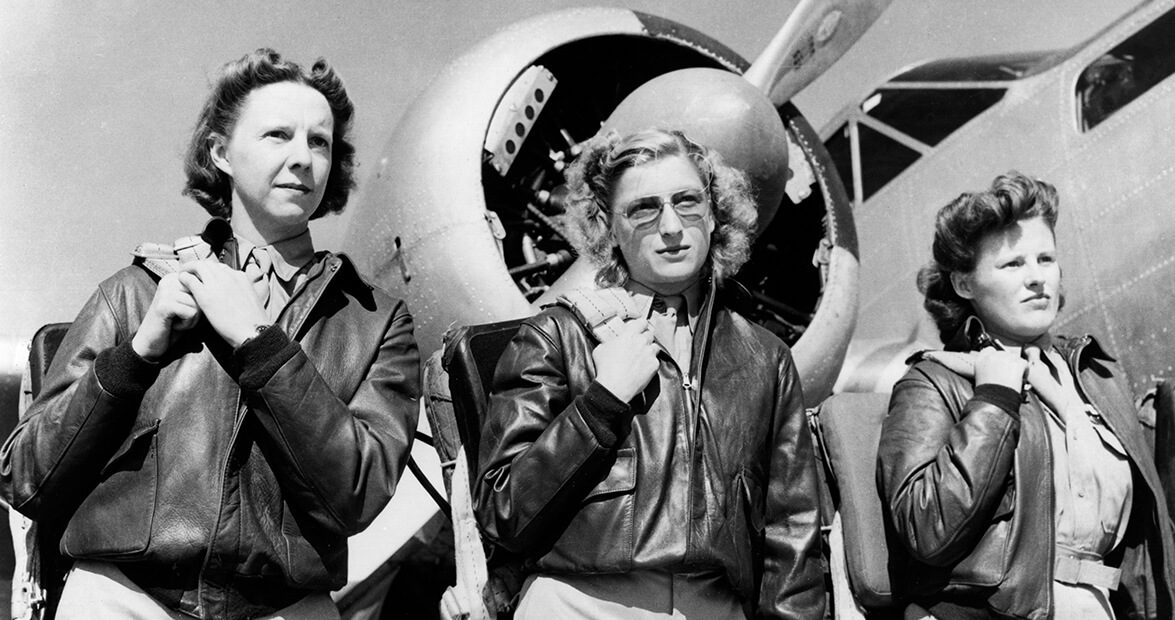
By their example, British women demonstrated to American women how to support the army directly on the front lines. The idea of allowing American women to join the army was likewise approved by General George Marshall, First Lady Eleanor Roosevelt and all women in the United States. In May 1942, Congress created the Women’s Army Auxiliary Corps. This event has served as a kind of green light for all courageous women.
Dallas women did not stay behind either. First, all of them received training. Most women were given the opportunity to pick the jobs they were interested in: over 200 options were presented to them. They could become nurses, pilots, mechanics, dispatchers, translators and other specialists required by the army. Of course, some of the women selected safer occupations, but the majority were still prepared to confront the enemy literally face to face.
Women at Dallas industrial enterprises
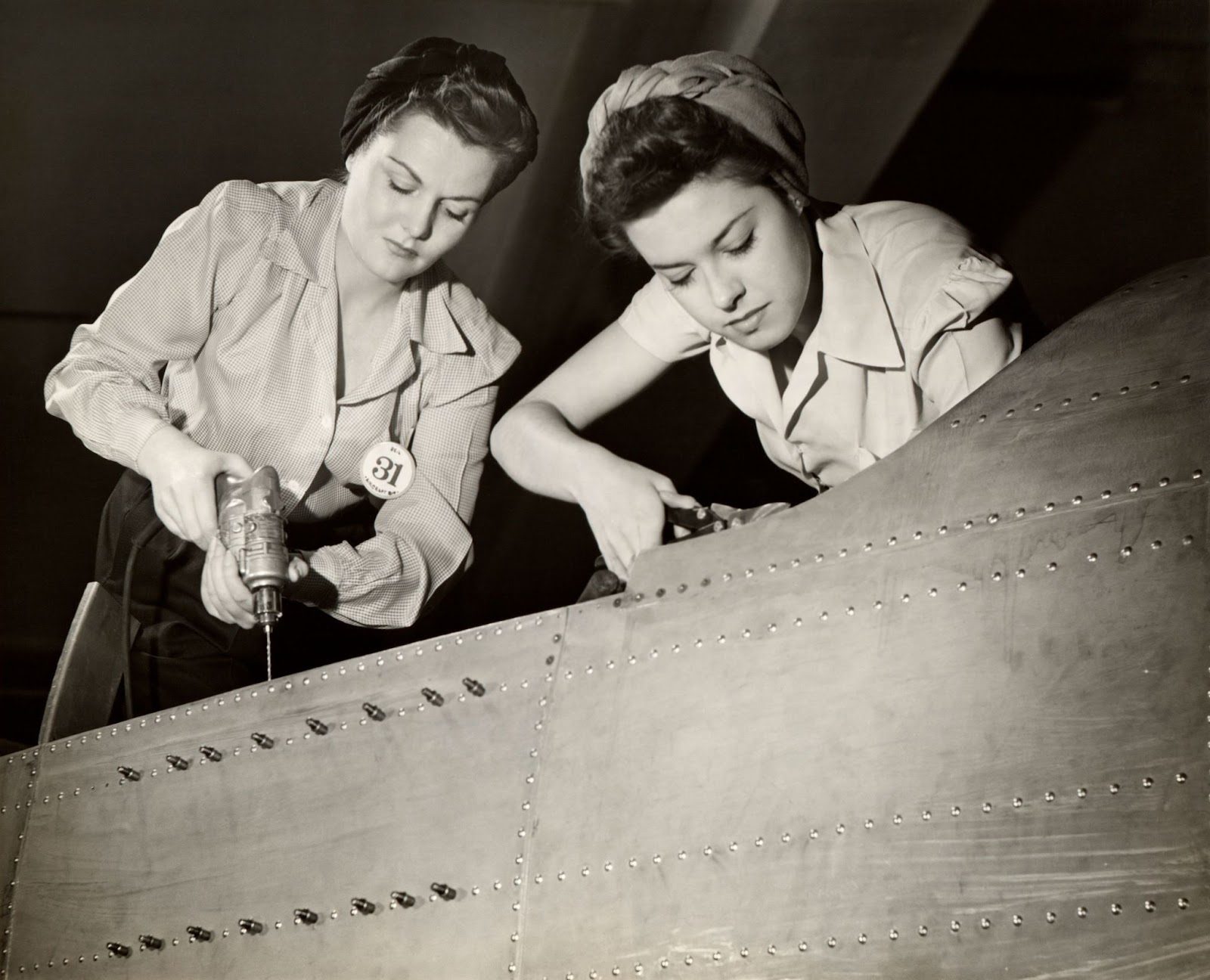
During World War II, women who remained in the rear also faced many challenges. Numerous new companies have been established in Dallas since 1941, producing everything the army required. Several well-known factories, including Ford Motor Company, adopted a war footing. It was impossible to gather the required number of men because the majority of them were at the front. As a result, the demand for labor began to be covered by fair sex.
Surprisingly, the female residents of Dallas were incredibly hardworking and did not mind getting their hands dirty. They were enthusiastically engaged in the manufacturing and welding of units for cannon installations, planes, bombers and other iron needs of the army.
There were months when women worked multiple 8-hour shifts in a row at enterprises and then had to travel home by bus.
When the Second World War ended and men began to gradually return to work, women realized with shock that they had grown accustomed to working in industrial enterprises. They did not want to return to the household chores. As a result, there were problems in the relationships of married couples. The divorce rate has risen considerably. However, the female residents of Dallas were highly clever: over the years of their employment, they regularly saved a portion of their wages and were thus able to accumulate their personal savings. It also helped that they didn’t have the opportunity to spend this money during the war. With this money, women easily bought new homes for themselves and refused to succumb to male pressure again.
Opportunities for feminists and black women
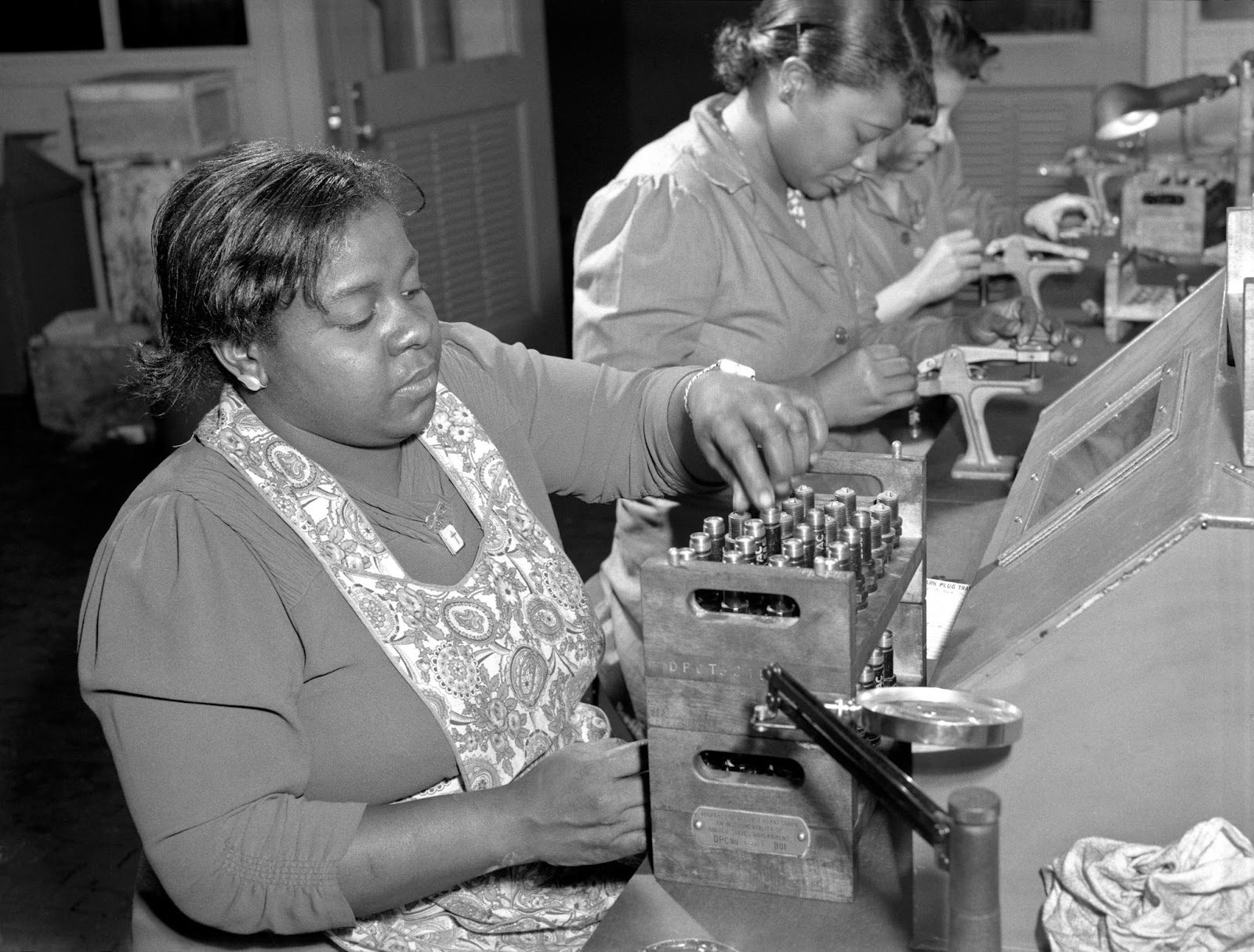
For years, women were regarded as ordinary housewives who received little attention. They were unable to pursue their own careers because they married immediately after school and had to take care of their husband and children. As a result, when the opportunity to try their hand at being the head of the family presented itself, the majority of the females decided that it was time to take it. So, in American society, the image of Rosie the Riveter emerged as a symbol of professionalism, competence and endurance of female workers. However, this did not apply uniformly to all women in Dallas. There were also housewives who did not dare to abandon their household duties. Instead, they were possibly the most powerful motivators for their husbands. Women wrote letters to their loved ones and relatives at the front, telling them of how they were waiting for at home.
During World War II, women began to work to provide for their families. The state was responsive to the new circumstances, so it widely respected women for their efforts. Feminists and black women felt the impact of these changes the most. Previously, they had faced sexual and racial prejudice for many years in a row, which noticeably receded into the background with the outbreak of the war. Women were able to get higher-paying employment than they had previously had.
During World War II, the role of women in Dallas grew to be all-encompassing and powerful. Representatives of the fair sex demonstrated that they could work in factories while also properly educating future generations. In this way, women proved to men that as long as they defended their families on the front lines, they could keep peace in their homes.