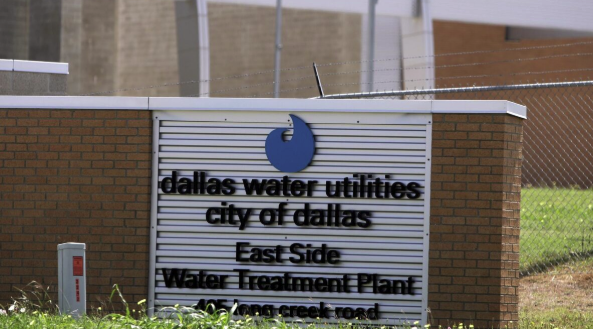

Dallas Water Utilities (DWU) is a vital service for more than 2.6 million residents in the region. This leading utility has long expanded beyond simple service delivery. DWU’s operations cover critical areas: from providing clean drinking water and quality wastewater management to effective flood control—all vital for public safety. Guided by the One Water principle, the utility ensures system reliability. It manages three treatment plants, the strategic Lake Ray Hubbard reservoir, and a pipeline network stretching over 4,000 miles. Ongoing Capital Improvements ensure long-term sustainability, while the recent launch of the modern DallasGo platform was implemented for customer convenience. More at dallas-yes.
The One Water Principle and Its Core Functions

The One Water philosophy is an integrated approach that allows DWU to manage the entire water cycle in Dallas. Drinking Water Services acts as the first line of defense for public health, with its work split between two specialized divisions. Water Production handles the core supply, managing the three treatment plants and securing a reliable water source from Lake Ray Hubbard. Regular laboratory testing at this stage is essential to ensure compliance with the strictest federal quality standards. Once the water is treated, Water Delivery takes over, maintaining the extensive distribution system that brings the clean resource directly to customers.
On the other hand, Wastewater Services, managed by Wastewater Operations, handles wastewater treatment. This is a significant undertaking, as it involves not just collecting but also effectively treating municipal and industrial wastewater at two treatment facilities. The division also maintains the vast pipeline network, which, as noted, exceeds 4,000 miles. Significantly, this department also performs the necessary pre-treatment for indirect water reuse, a tangible application of the One Water philosophy.
Finally, Stormwater Operations is responsible for weather-related challenges. They inspect and maintain the city’s drainage systems and natural waterways. Their primary function is flood protection. To achieve this, they maintain the large-scale Dallas Floodway Project, which includes a whole system of pump stations and levees. Importantly, Stormwater Operations also ensures Stormwater Management Compliance, preventing pollution in stormwater runoff and monitoring developers in high-risk zones. All these divisions work in tandem to ensure the reliability of Dallas’s entire water system.
Major Projects at Dallas Water Utilities

Even the best infrastructure requires constant, strategic upgrades to keep pace with Dallas’s growth. That’s why the Capital Improvements division is critical, handling the planning, design, and construction of all major facilities. This work has a dual focus: on one hand, expanding water and wastewater networks for new developments, and on the other, the large-scale rehabilitation and replacement of aging assets. Through these investments, DWU ensures the system meets the needs of a growing community while adhering to the strictest federal and state regulatory requirements.
The list of DWU’s current construction initiatives is impressive in its ambition. For example, the Bachman Lake Dam and Spillway Rehabilitation is a project essential for improving the reliability of a critical hydraulic structure. Work is also ongoing at key infrastructure sites like the Jim Miller Pump Station, Lake June Pump Station, and the Lantern Lane Project. However, a truly monumental undertaking is the Mill Creek Drainage Relief Tunnel. This tunnel was designed specifically to dramatically reduce flood risk in the city’s historic neighborhoods, protecting property and providing peace of mind for thousands of residents during heavy downpours.
Additionally, DWU is a key player in the city’s largest endeavor: the Trinity River Corridor Project. This is a comprehensive initiative spanning a twenty-mile corridor of the Trinity River. DWU’s involvement is critical, as its experts not only provide flood protection through complex engineering solutions but also contribute to improving transportation infrastructure, restoring the natural habitat, and stimulating economic development in the surrounding areas. This serves as clear confirmation that DWU is investing not just in water, but in the overall well-being, sustainability, and future of Dallas.
Customer Operations at Work

Customer service at DWU goes far beyond a typical call center. The Customer Operations department is responsible for the entire billing lifecycle: meter reading, timely invoicing, and collection activities for over 300,000 accounts that cover water, wastewater, sanitation, and stormwater. Furthermore, this team provides support and training for all city users of the billing system and manages the DWU operator certification program, which is critical for maintaining compliance with the Texas Commission on Environmental Quality.
The most recent major challenge and innovation for Customer Operations was the transition to the new DallasGo online platform, which replaced the old ePay system. The goal was clear: create a modern, mobile-friendly hub for paying utility bills, but the rollout wasn’t without complications. Many users (especially those accustomed to paper billing) ran into activation problems, as they couldn’t easily retrieve their account number.
Landscape and Resource Management

DWU’s work isn’t limited to engineering. The organization also has significant environmental and regulatory responsibilities, particularly visible in the work of Stormwater Operations. They are responsible for Floodplain Management, which includes mapping and consulting with developers. This is a crucial function, ensuring that all construction in high-risk zones complies with city, state, and federal standards, which in turn reduces overall flood risk. Moreover, thanks to these regulations and Dallas’s participation in the FEMA Community Rating System, property owners in flood-prone areas receive a substantial 35% discount on their flood insurance policies.
The Forestry and Habitat Management team also deserves special mention. This department serves as the technical expert on natural resources for DWU properties while actively collaborating with other city departments. Their focus is on preserving the vast urban forest, including the famed 6,000-acre Great Trinity Forest, and managing natural grasslands, wetlands, and other ecosystems. Interestingly, this is the team that organizes the annual Branch Out Dallas tree giveaway and even uses sheep and goats for Alternative Vegetation Management.
Sources: