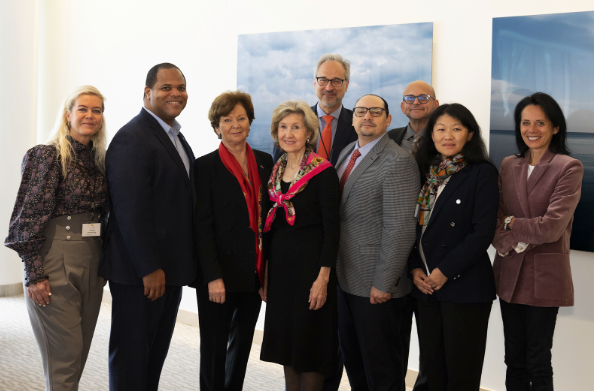

Dallas mayors have always intuitively understood that international cooperation is far more than just politics. It’s the shortest path to the city’s real economic and cultural growth. These strategic ties began to form back in the 1950s, when Stanley Marcus himself gave a significant boost to relations with Dijon, France. More at dallas-yes.
The Sister Cities program became the primary, indispensable mechanism connecting Dallas with six cities, including the educational powerhouse Brno (Czechia) and the vital economic neighbor Monterrey (Mexico). To ensure this diplomacy wouldn’t collapse after a change in mayors, the Dallas Protocol was launched in 2003—a unique public-private partnership for systemic development. Throughout the city’s history, its leaders have acted as international diplomats. Ron Kirk led active trade missions to Asia, while Michael Rawlings deliberately focused on raising Dallas’s global profile.
The Sister Cities Program
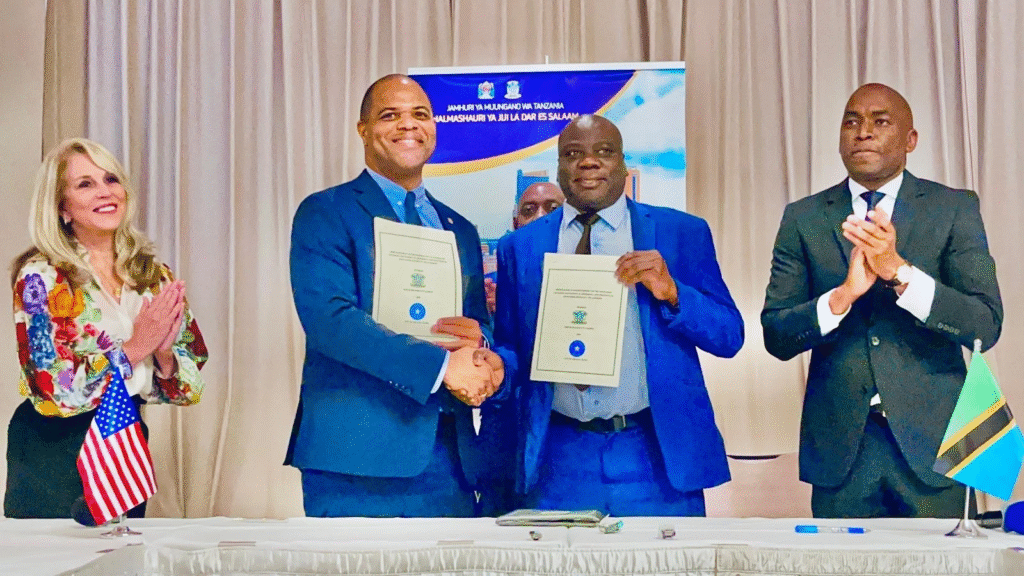
For Dallas, the Sister Cities concept is far more than a formality. It is, in fact, the most crucial diplomatic tool, ensuring stable cooperation regardless of the changing political climate. The initiative is managed locally, allowing the city to develop personal, cultural, and economic contacts that eventually evolve into multi-million dollar deals and serious educational exchanges.
Let’s start with Monterrey, Mexico. This is our closest, yet incredibly important, partner. As Mexico’s third-largest economic center, Monterrey was a logical extension of Dallas’s economic interests to the South. The relationship, formalized in 1988, serves as a direct bridge for business. When our mayors visit Monterrey, their focus is always on logistics and trade. This isn’t just a symbolic gift exchange; it’s collaborative work on cross-border economic issues.
Dallas’s oldest friendship stretches back to Dijon, France. This partnership, which began in 1957, has unconventional, even beautiful, origins: it wasn’t born from bureaucratic paperwork but from personal enthusiasm. The legendary Stanley Marcus, founder of Neiman Marcus, effectively built a cultural bridge with the French city. This clearly shows that international cooperation in Dallas is a unique blend of civic initiative and municipal support. Naturally, when mayors visit, they always emphasize this cultural foundation.
As for Brno, Czechia, this twinning is no less key, geographically and in its profile. Formalized in 1991, it has a strong educational and innovative focus. This is because Brno is an educational hub with fourteen universities. Since Dallas is a high-tech powerhouse, this partnership allows for regular student exchanges and joint research projects. This undoubtedly lays the intellectual groundwork for future technological collaboration, positioning Dallas as a conduit for knowledge.
The Dallas Protocol: Institutionalizing International Diplomacy
Successful diplomacy requires more than just a mayor’s charisma; it demands a reliable structure. This is precisely why the Dallas Protocol was created in 2003. It has, without exaggeration, become the backbone of all city diplomacy.
This is a unique public-private partnership between the Mayor’s Office and a powerful civic organization—the World Affairs Council of Dallas/Fort Worth. While other cities rely solely on their own departments, Dallas chose to combine administrative resources with the expertise of the civic sector.
The Dallas Protocol handles several critical tasks. It is the official representative of Dallas during international visits, working closely with the Mayor’s Office. Furthermore, this is the entity that oversees the entire Sister Cities Program, ensuring continuity even during a change in administration. Who coordinates logistics for a delegation from Riga or organizes a business forum with Monterrey? All these complex processes are the responsibility of the Protocol.
Because of its existence, the city’s international activities aren’t tied to a single politician or one term in office. It has become an integrated part of the municipal system. Therefore, the priorities set by mayors—whether raising the global profile or expanding trade—receive stable institutional support.
The Mayors as Chief Diplomats
Dallas’s international ties have often been the result of focused, personal work by its mayors, who opened the city to strategically important regions. The relationships with Riga and Taipei are perfect illustrations of this.
The partnership with Riga was established at an incredibly important historical moment—the dawn of Latvia’s independence. In February 1990, as Europe was rapidly changing, Mayor Annette Strauss and the Deputy Mayor of Riga signed a joint Declaration of Partner Cities. This move was not just cultural; it had significant symbolic meaning, affirming Dallas’s support for the new democratic processes. Thanks to this visit, the ties remain highly active today.
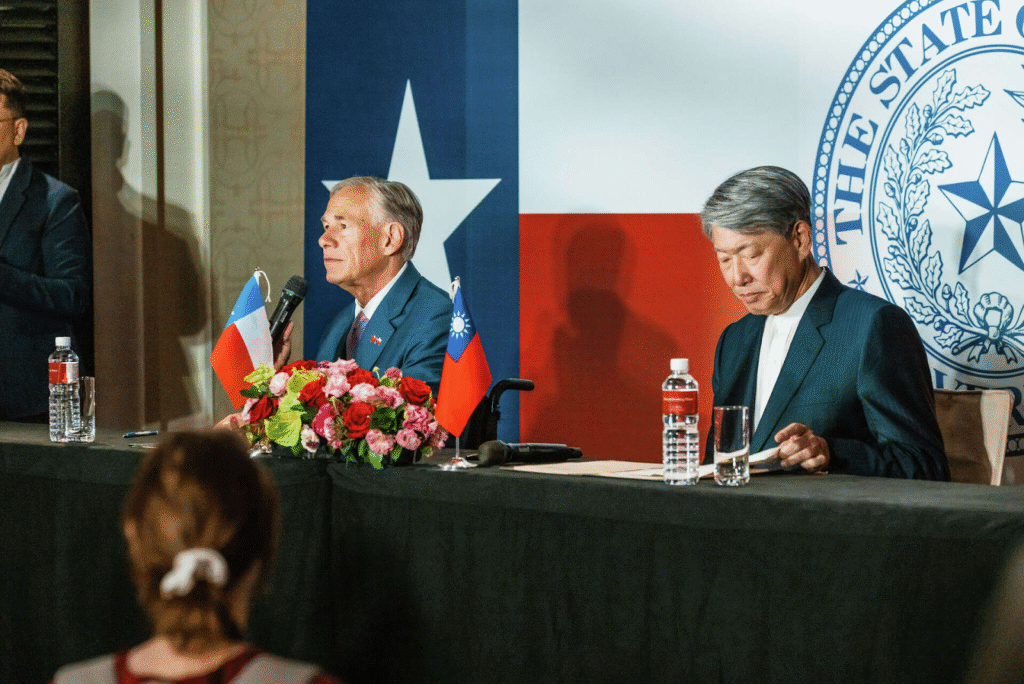
As for Taipei, this story shows how Dallas’s relationships evolve. It all began with a Friendship Agreement that was strengthened by decades of cooperation. The culmination was the signing of the Sister Cities agreement in November 1996. Mayor Ron Kirk personally solidified this partnership at City Hall. Although official sister city status was granted later, Kirk was already using Taipei as a key base to promote Dallas’s commercial interests when he led a business delegation to Asia in 2000.
In recent history, this line of active diplomacy was continued by Michael S. Rawlings. He, for example, consciously emphasized “raising the city’s international profile” as one of his administration’s main strategic goals. Rawlings understood perfectly that to maintain high rates of economic growth (which often surpassed national averages), Dallas needed not just internal stability but also global recognition. All his work, from participating in world forums to collaborating with the World Affairs Council, was aimed at transforming the city from a regional leader into a recognized international player.
Cultural and Educational Exchanges in International Cooperation

Of course, the economy is important, but the true depth of cooperation lies in culture and education. These humanitarian ties build the trust that later helps in business.
Take Brno, Czechia, as an example. Since it is a major educational center, cooperation is focused on student exchanges and joint research programs. This is strategically important for our high-tech industry. Moreover, the exchanges go beyond the classroom, including sports tournaments and orchestra tours—classic elements of soft diplomacy.
We also cannot forget the International Visitor Program, which has been operating since 1954. This initiative, run by the World Affairs Council, coordinates visits from world leaders and specialists with support from the U.S. Department of State. Dallas mayors always actively engage with these delegations, which allows our officials to exchange best practices with foreign colleagues on urban planning and social policy. In this way, humanitarian programs transform international cooperation into a real, living, person-to-person dialogue.
Sources: